
Girls born in the age of social media are spending billions on beauty, raising questions about confidence, identity and growing up online
While Gen Z was the first fully digital native generation, Gen Alpha – born between 2010-2024 – has never known life without social media.
It is now having dramatic effects on how they see themselves. One of the defining aspects of Gen A girls is how much time and money they spend on makeup. According to market researcher Ask Your Target Market (aytm), they spent $4.7 billion on beauty products in 2023.
It is a trend that shows no sign of stopping.
“My friends always wear makeup every single day and it’s like a mask for them. I think they enjoy doing it, but they’re not interested in it. They don’t care what products they use, they just feel better with it on,” said Lara, 16.
Lara first engaged in makeup when she was seven or eight years old but found her passion for it at age 13. She said she used to shop at Claires Accessories, who sold “kiddie” makeup, but now she prefers more mature brands like Charlotte Tilbury and Hourglass.
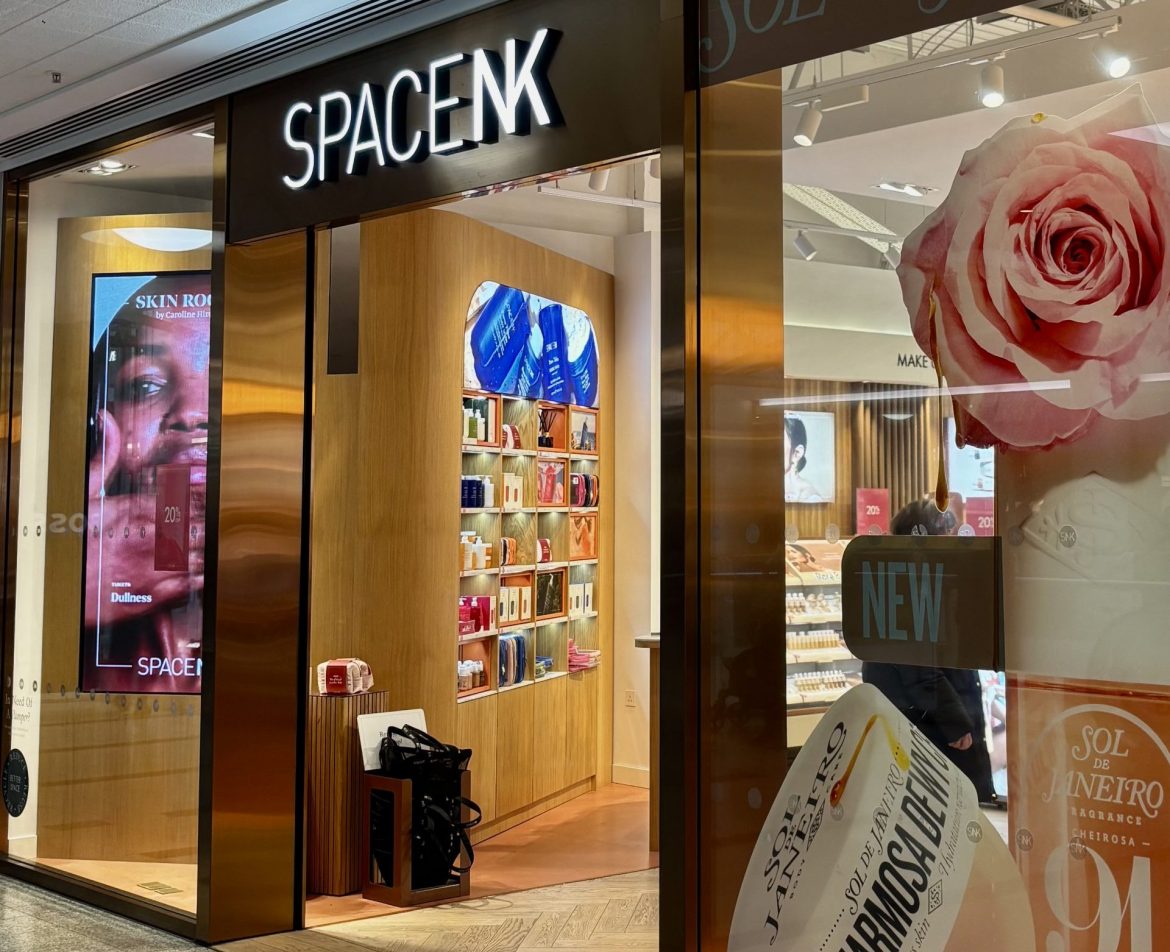
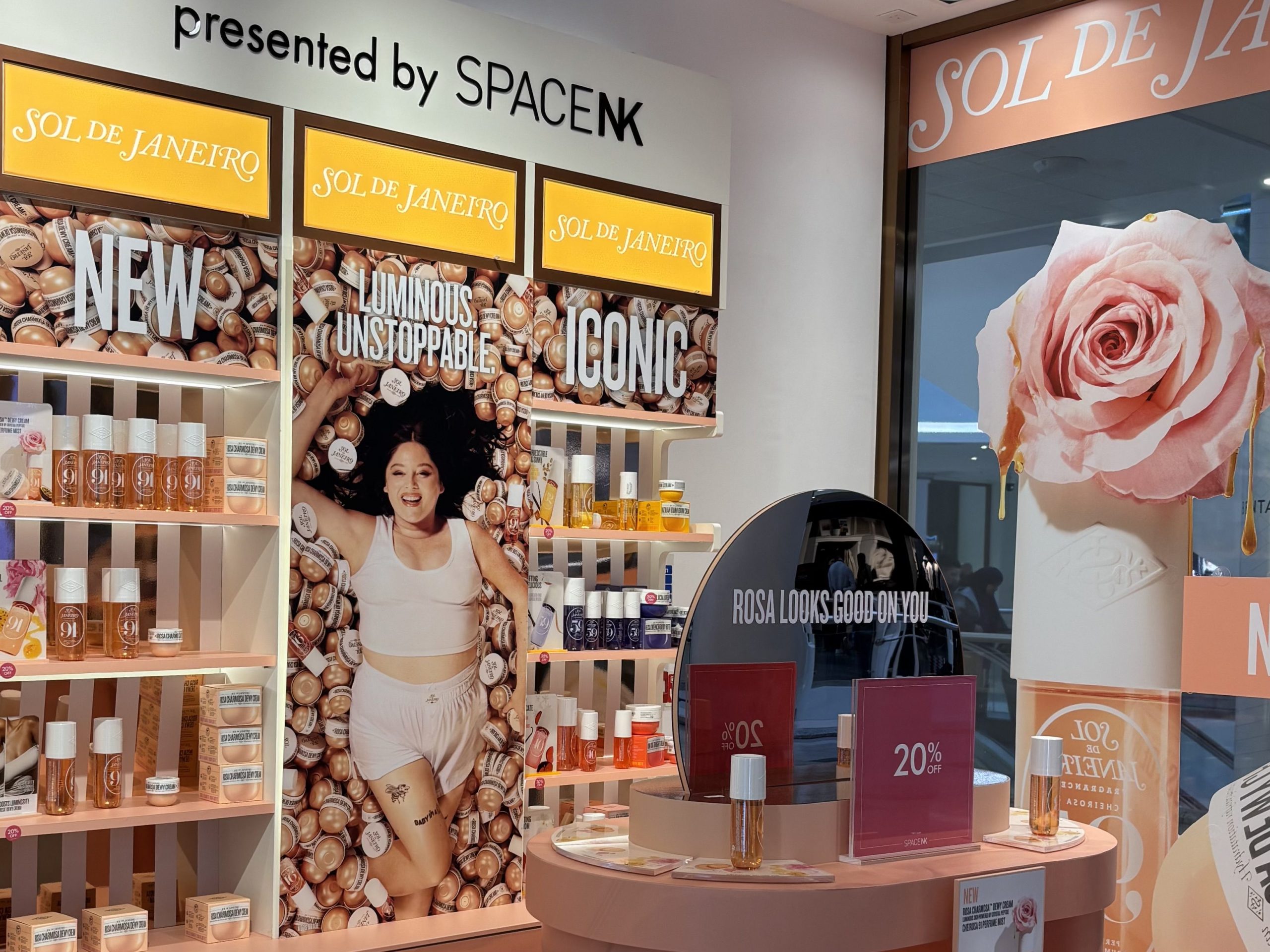
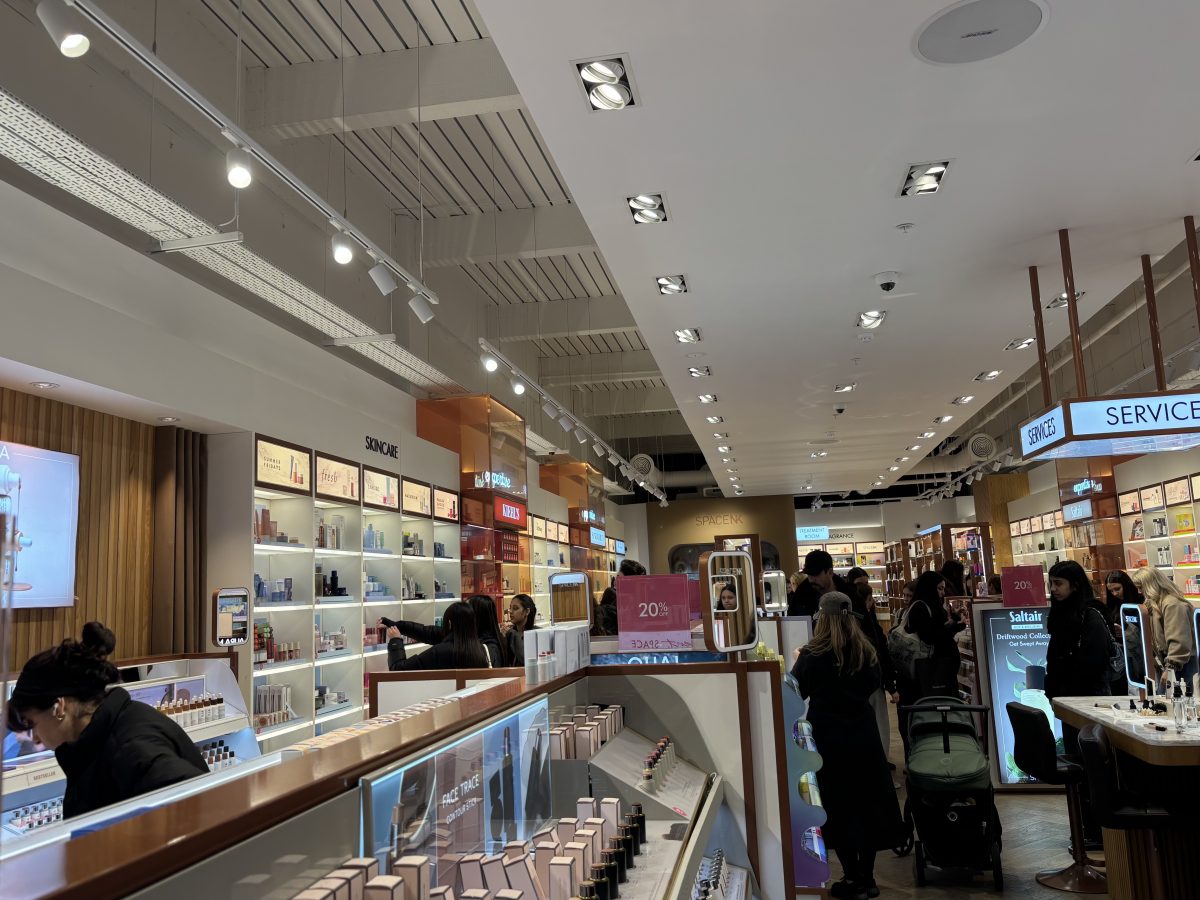
These brands are often purchased in chains like Space NK and Sephora, which have become increasingly popular amongst Gen A in recent years.
Online spaces are also hotspots for Gen A makeup tutorials, tips and promotions.
Lara said that YouTube channels such as sophdoeslife, a beauty and lifestyle content creator, have inspired her to become more involved with how she gets ready. She said it led her wanting to pursue a career as an influencer, branding herself as lara__page across various social media platforms.
“I definitely want to pursue it. I’d love it to be a full-time job, if possible. I’ve always wanted to be an influencer. I’ve definitely been so passionate about this from a very young age. I really enjoy doing it and I want to help people.”
India, 13, said she started wearing makeup when she was 10 and uses a mix of cheaper high street and high-end brands, often shopping at Sephora and Space NK too. She now has an extensive collection of products.
“Social media is a huge influence”, she said. “You see them [trends] on TikTok, they get advertised.”
She said she often wears makeup to school and when she is out with her friends but not around the house. It makes her feel confident, but she doesn’t “really feel pressured to wear it.”
Dalia Reid, 43, is both a makeup artist and works with young girls in schools as lead pastoral for KS3. Reid is concerned about the impact social media is having on Gen A.
She said: “Social media plays a huge part in how the younger generation perceive themselves. It’s all about ‘you’ve got to have the perfect body, the perfect lips, the perfect skin and the hair,’ and young kids, especially the ones who are really vulnerable, buy into that.”
When Reid was young, she said her friends would play with makeup for fun, but their self-image did not depend on it. Now, she believes, children wear it to mask who they are.
“When you speak to them and ask them about the makeup, even if you say to them ‘look I need to take your eyelashes off because it’s school policy’, they’re broken,” said Reid. “You’ve got students who won’t even go to their lessons, they would rather be in isolation or detention than take their makeup off, they can’t be seen like this.”
Reid believes societal pressure on females is also having an effect.
“Society is not gentle on females. There’s a lot of pressure on us. We have to look a certain way, we have to dress a certain way, we have to be a certain size,” she said.
From Boomers to Millennials, Gen X to Gen Z, each generation has been shaped by the world they live in.

News Editor