Council claims that nothing can be done about the Victorian heritage site
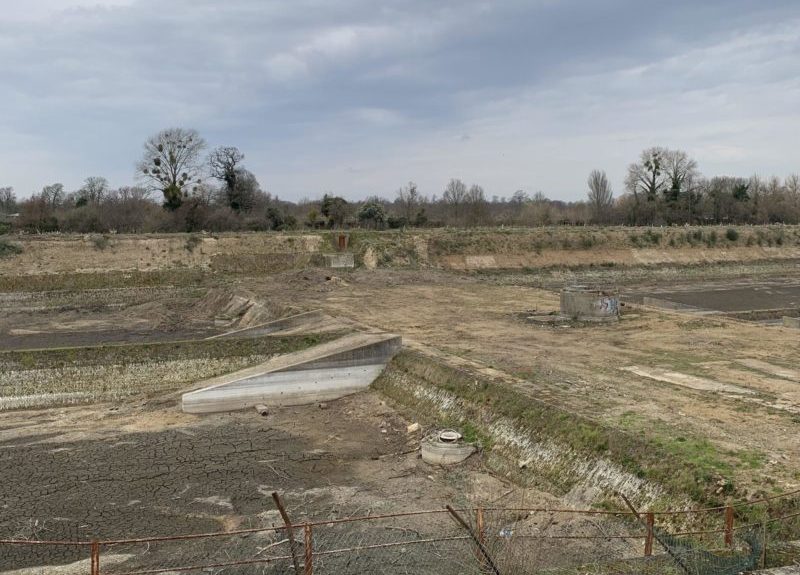
Continuous drainage of Seething Wells Filter Beds, has the potential to harm rare and protected wildlife according to the local environmental organisation Seething Wells Action Group (SWAG).
Kingston Council stated in September 2025, that the situation with the Victorian heritage site, which SWAG argue was a important site for nature conservation, cannot be resolved until the owner Cascina Limited, also known as Hydro Development, is ready to collaborate.
Planning Link Officer Peter Smith said: “Seething Wells site is in private ownership and the owners currently have no intention to engage with RBK councillors unless development of the site would be supported.”
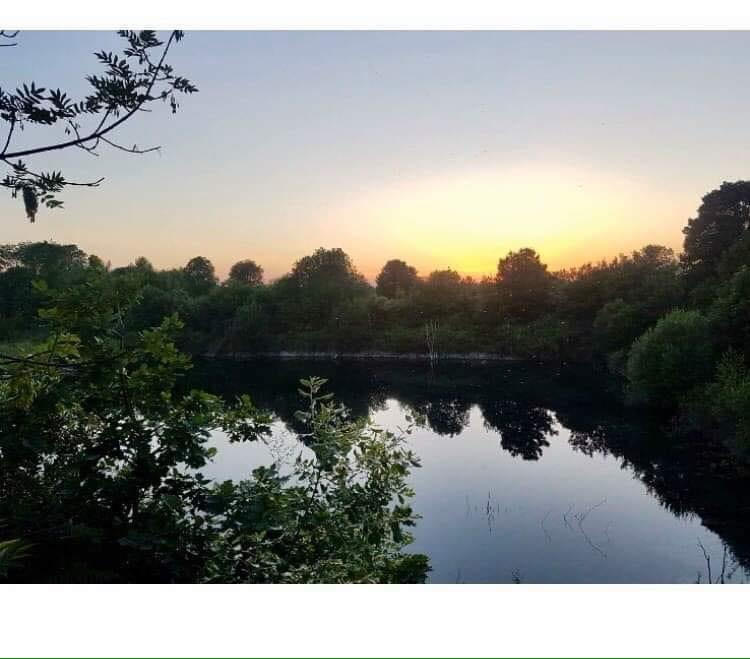
The Victorian heritage site was built in 1894 as part of the sewage treatment system and was in use for over 100 years, until the early 2000s when a new treatment plant was built nearby.
Hydro Development acquired the filter beds in 2010 and submitted several planning applications over the years, all with negative outcomes.
The first application for floating homes submitted in 2011 was rejected in 2013. The project included 64 residential homes on a floating pontoon, a restaurant, car parking and landscaping. The developers also wanted to provide public access to the natural reserve and build an educational centre dedicated to it.
Hydro Development submitted four more planning applications in 2020 and another two in 2021, all of which were rejected by the council.
The proposals ranged from building housing to transforming the landscape into a park with underground offices.
The environmental campaigners SWAG stated that despite lack of planning approval, Hydro Development started “mechanical destruction” of the site in 2018.
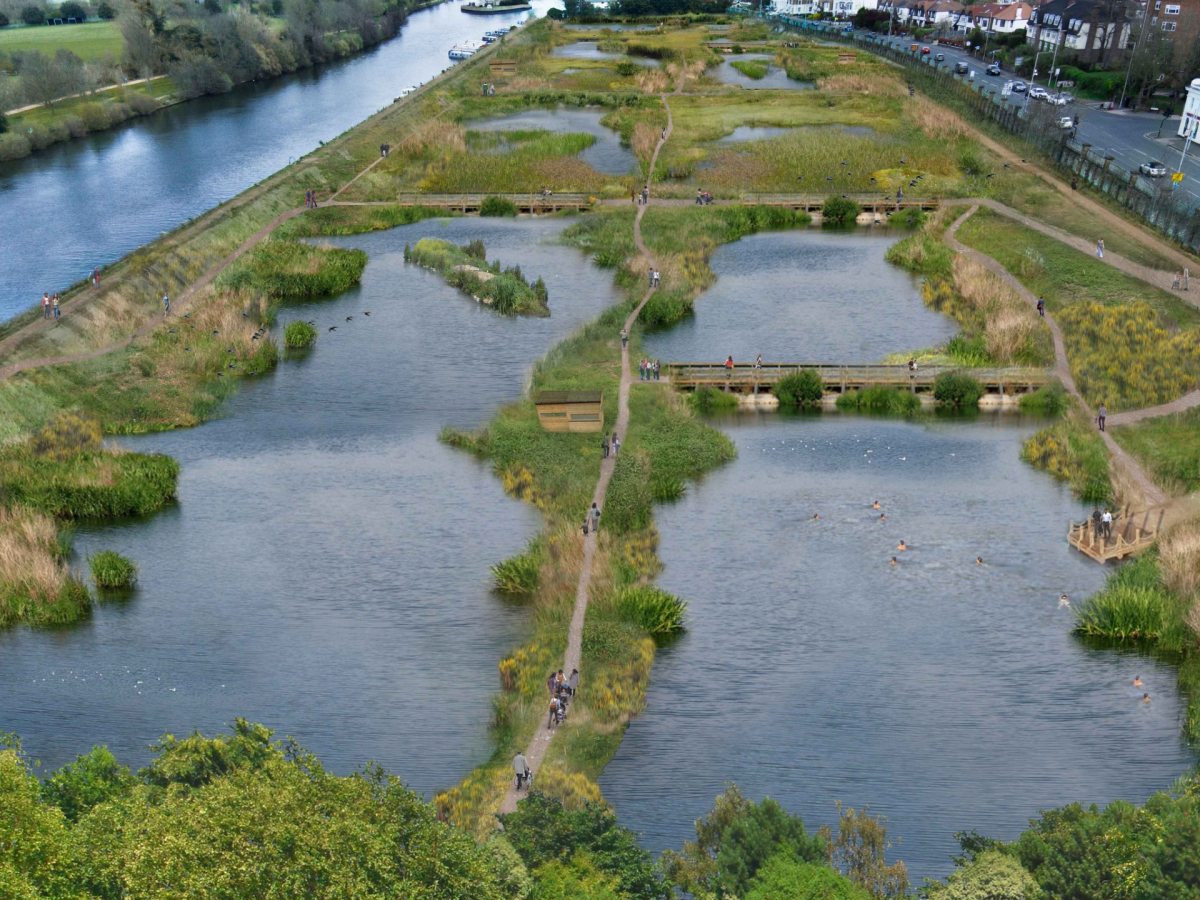
According to the environmental group, the company felled trees, and stripped soil and vegetation from the filter beds using herbicides and bleach. In addition, Hydro Development is continuously draining the site, SWAG said.
The campaigning group said that high water levels were necessary to support local wildlife. This site was very biodiverse, as wild goats, kingfishers and 11 species of bats, including a rare Brandt’s bat, were recorded there.
Hydro Development did not explain the reasons for the drainage of the site.