
Dating apps promised chemistry at our fingertips, but evidence increasingly suggests users are experiencing fatigue rather than fireworks
The swipe never really ends in a city like London. With so many options, dating can start to feel like a constant cycle of matching, chatting, and then starting again. Two London-based app users described the push and pull between possibility and burnout, and UK polls show they are not alone.
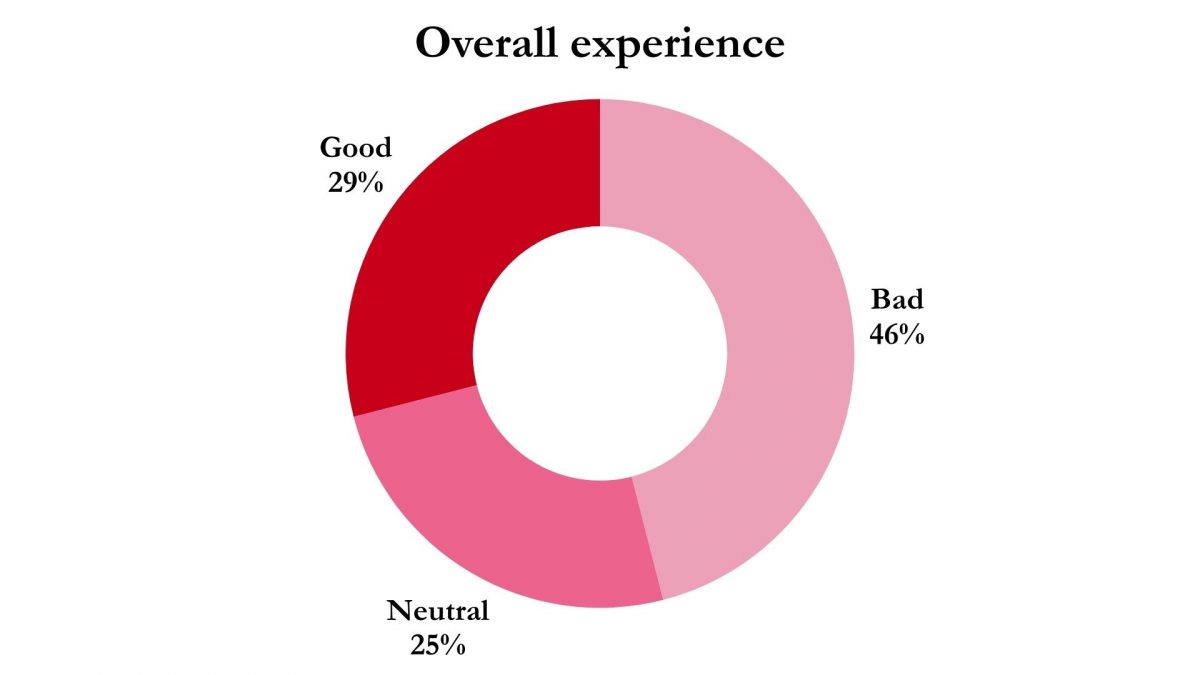
Nearly half of 380 UK users said their online dating experience was bad, with 46 per cent of users reporting a negative experience compared to 29 per cent who said the opposite, according to a recent YouGov poll.
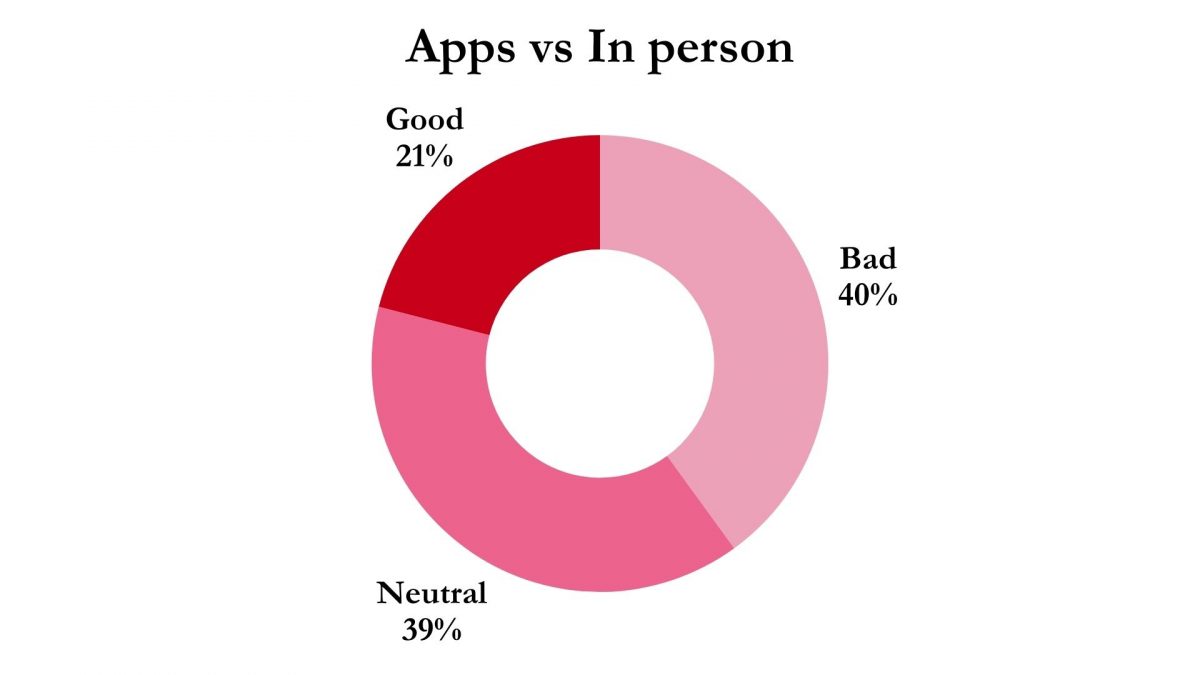
When asked whether they preferred using a dating app or meeting someone in person, 39 per cent chose the latter and only a fifth of participants said they preferred dating apps.
It all points to disappointment with the day-to-day reality of dating on the apps, an experience which can be draining, not romantic.
“Swipe culture” is a big part of the problem according to users. Pinar Uyar, 26, said the passion of dating lies in the lead-up, like the way you can feel nervous before a first date.
Uyar is a software developer based in London and is currently taking a break from the apps.
She said she is not in search of anything serious but rather trying to figure out her likes and dislikes in terms of dating. While she has experienced some completely unremarkable dates, she also had dates which felt truly exciting, and met people who she would not even have the slightest possibility of meeting if it were not for the apps.
However, online dating can also erase emotional buildup by reducing dating to a pastime. “Most of the time, I open dating apps when I feel bored. I’m like, let me get my dopamine from this,” said Uyar. She admitted it is “fun to swipe,” but worried that this “gamification” causes dating to become superficial. “These are people, not fruits at the supermarket,” she said.
The disposable culture on apps means people act as though commitment and effort are not required. “People typically put less effort because they can quickly swipe you left and find another one…it’s the illusion of ease,” she said. It is a no-risk environment, Uyar believes, where users can simply move on before they develop any level of connection.
While the apps might promise easy connections, the reality for users is anything but. Daters are always on the lookout for catfish and fake profiles, with almost two thirds of users saying they often come across profiles which appear to be fake, according to the YouGov survey.
It can make the search feel like an admin task.
However, it is not all bad news for the apps. Almost half of those surveyed indicated that the overall functionality of the apps was good. The tech itself was not the issue but the culture it produces.
Some users have found ways to navigate the apps and keep the flame alive. Olivia Hill, 28, said the apps do not necessarily kill romance; they just do not automatically create it for someone. “The passion isn’t in the app, it comes after. It is what you do after you match,” she said.
The London-based HR specialist said she was searching for the right person, not just swiping for the fun of it. Hill believes romance flourishes when both individuals put in the effort to move things along and take the relationship further and says when there is endless texting prior to meeting, it becomes homework rather than romance.
She also pushed back against the “gamification” of the apps and argued that swiping can become mindless, but it depends on the person. “If you’re selective and actually meet people, then it doesn’t feel like a game,” she said. “It’s about being intentional.”
Intention is Hill’s secret to dating app success because then “you’re excited to see them, you’re curious, and you’re both actually trying. Passion isn’t just chemistry – it’s the effort and interest,” she said.
So, are dating apps killing passion? While the data suggests many users find the apps inferior to meeting people in person, dating it is not just about the apps themselves – it is how we use them. In the end, the algorithms cannot do the hard part. It is still up to us to put in effort and to treat the person on the other side of the screen as a human being, not a profile.