
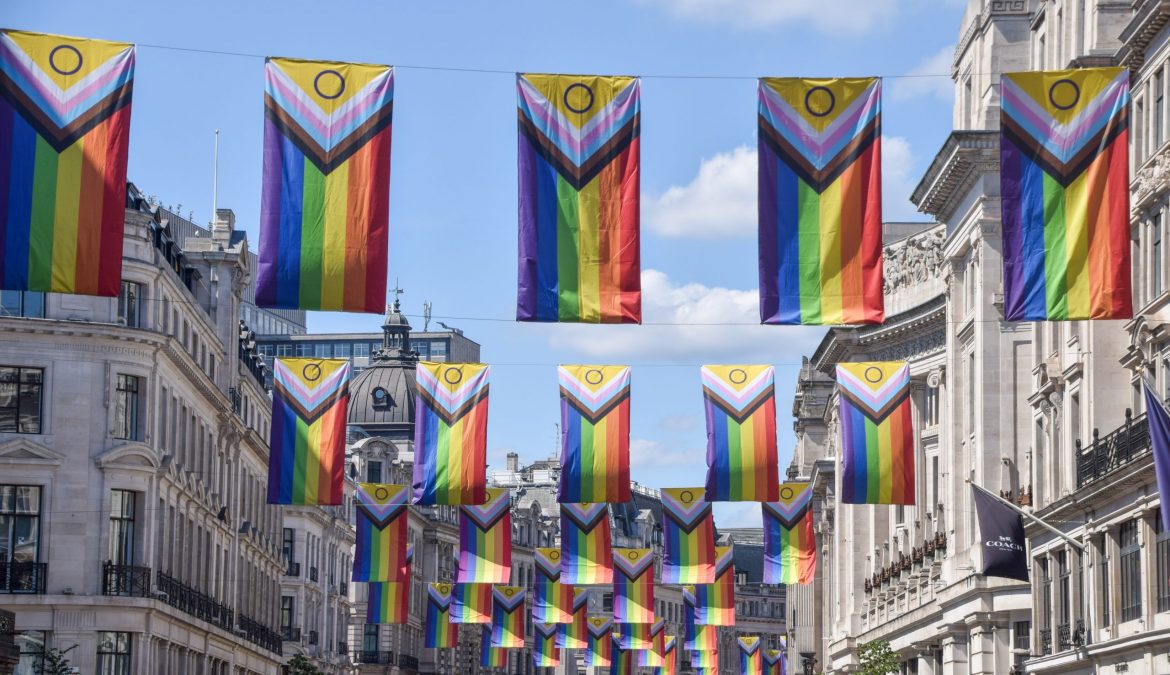
With A lack of nominations at this year’s Oscars, and Heated Rivalry doing wonders for gay male representation on screen, The Kingston Courier is wondering where all the queer women are?
On the small screen, gay romance is the biggest story of early 2026, as Heated Rivalry has become the breakout streaming hit of the year so far.
But on the big screen, queer representation appears diminished, especially for queer women.
This year’s Oscars, which take place on 15 March in Hollywood, has seen few nominations for films with LGBTQIA+ themes or made by queer creatives.
So, what do queer cinema goers think? Do LGBTQ+ people need better representation? Are queer films being ignored at big award ceremonies?
Lauren Abba identifies as queer. They said they were not shocked, but disappointed. “There are so many queer films and actors or actresses that deserve awards but seemingly due to their identity they were passed over,” said Abba. “It makes me angry to be honest.”
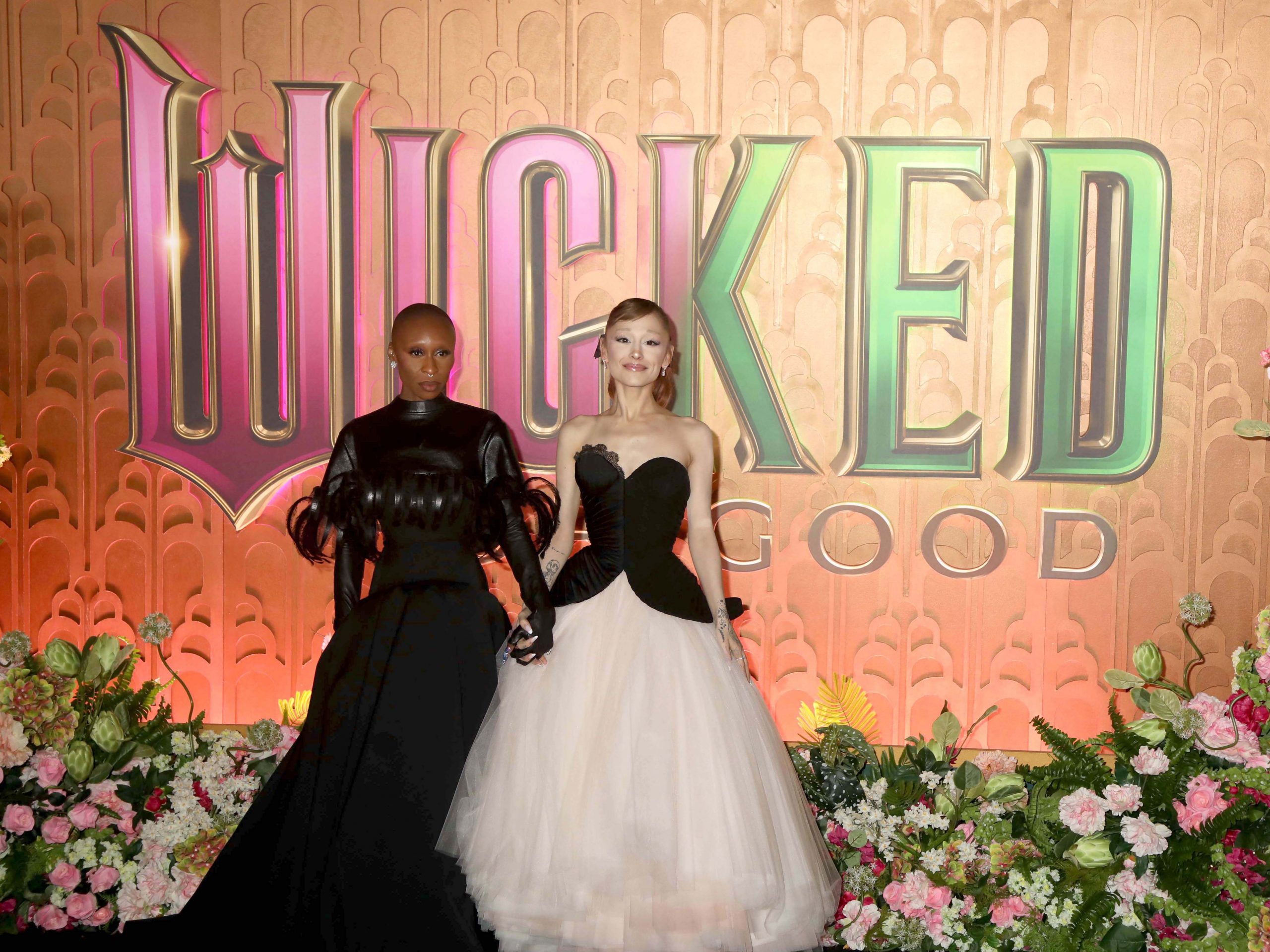
Abba said that whilst Wicked: Part One (2024) received ten nominations and two awards in 2025, the film was absent from nominations this year, despite the fact the film involved queer artists in front and behind the camera.
In 2024, there was a decline in representation of LGBTQ+ characters in films released by major studios, according to a report by the Gay & Lesbian Alliance Against Defamation (GLAAD).
For the queer community, this lack of representation matters.
Anna Faherty, who identifies as lesbian, said: “If you see yourself on screen, it validates you and people like you.”
Hannah Loran, who is bisexual, agreed that queer representation in films was important. However, she said it should not be the focal point of the film.
“It should not be the whole plot; they should just be characters where it is one of the least interesting things about them,” said Loran.
Queer women also criticised the representation that existed in cinema already.
Abba said: “A lot of media that depicts lesbians is kind of fetishised or someone dies at the end. I resonate a lot with shows more than films.”
The award-winning French film Blue is the Warmest Colour (2013) was an example of “straight up porn,” said Loran.
Faherty, Loran and Abba all said TV shows did a better job at showing queer people in realistic, positive, relatable situations than film does.
“Why would you not want to see a representation of yourself on screen and feel empowered by it?” said Loran.

News Editor