
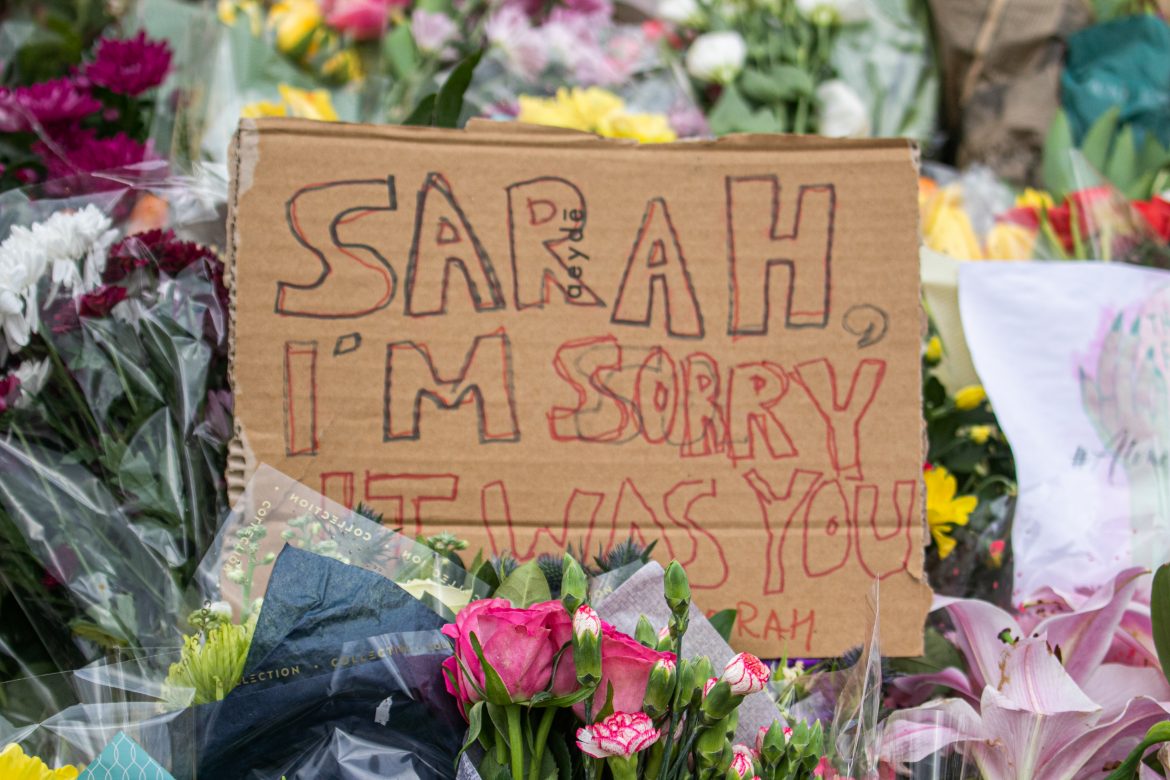
On Tuesday evening a vigil was held at the Clapham Common bandstand to mark five years since Sarah Everard was murdered by a serving Metropolitan Police officer.
Sarah was 33 years old when she was abducted, raped, and murdered by Met police officer Wayne Couzens whilst walking home from a friend’s house in Clapham.
Clapham resident Delyth Cook, 23, recalled “an atmosphere of fear and anger amongst women, especially in London” in the wake of Sarah’s death in March of 2021.
Sarah’s death became a watershed moment for the national conversation about violence against women and girls (VAWG), shattering public trust in the Met Police, and triggering marches and protests across the country.
“I remember feeling deeply unsettled when I first heard. It wasn’t just the brutality of the murder, but it was the fact that it was carried out by a serving office from the Metropolitan Police,” said Cook.
“It really shocked me, and my sense of trust in the institutions that are supposed to protect us,” she said.
When asked if she feels safe in London as a woman now, Cook said she felt “relatively safe during the day” but is cautious on public transport and when walking home from work in the dark.
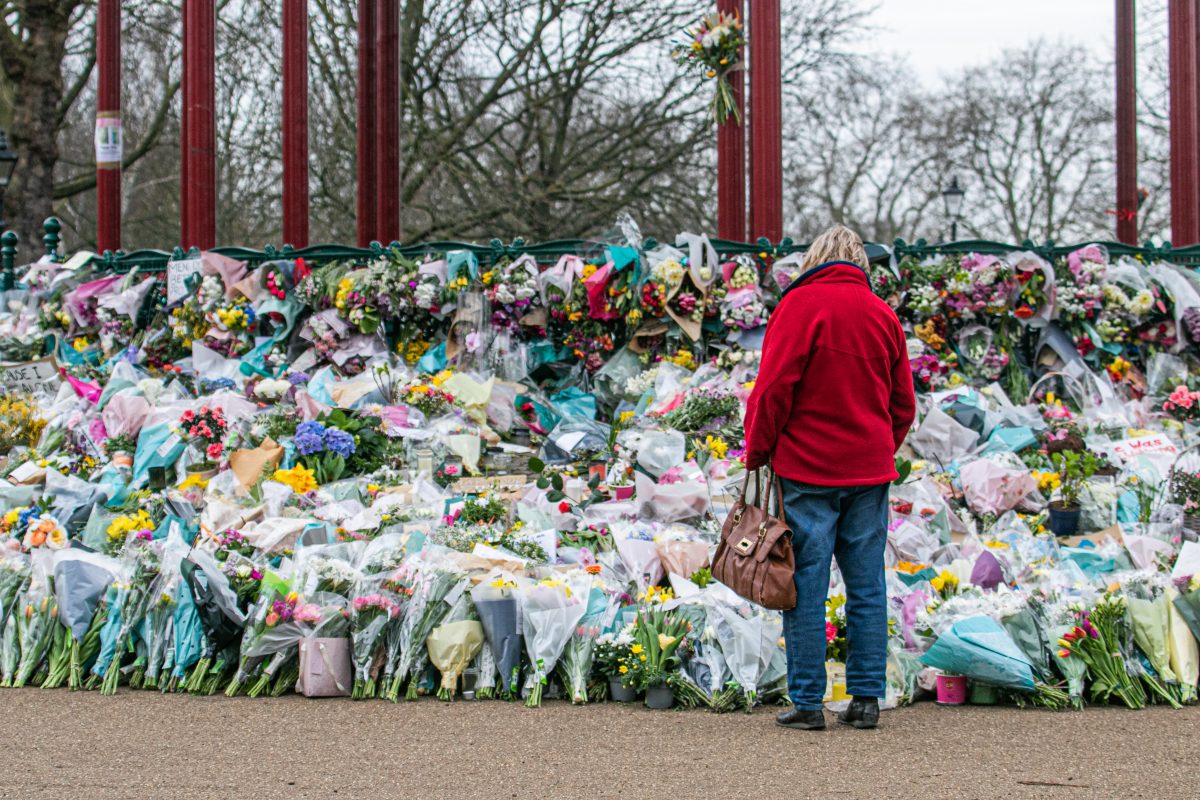
Credit: Amer Ghazzal / Shutterstock
Jess Phillips, the Parliamentary Under-Secretary of State for Safeguarding and Violence Against Women and Girls, told the BBC, at the time, that Sarah was “keeping herself completely safe, doing exactly what any woman would do” at the time of her abduction.
Phillips said, “the onus is on the Metropolitan Police to do better”.
The Government has pledged to halve VAWG this decade.
“I think it’s positive that violence against women and girls is being treated as a priority rather than a side issue,” said Cook, “but there is a still a significant gap between policy announcements and lived experience.”
Cook pointed to court backlogs, lack of early education on misogyny, and inadequate police scrutiny as issues that need attention if genuine progress is to be made.
According to Rape Crisis England and Wales, the average time a survivor of a sexual crime will wait before their trial is heard in court is 499 days, which is almost twice as high as the wait times for other crimes.
Additionally, statistics provided by the Criminal Bar Association for the BBC revealed that London has the fastest growing backlog of court cases in England and Wales, with some victims waiting years to get justice.
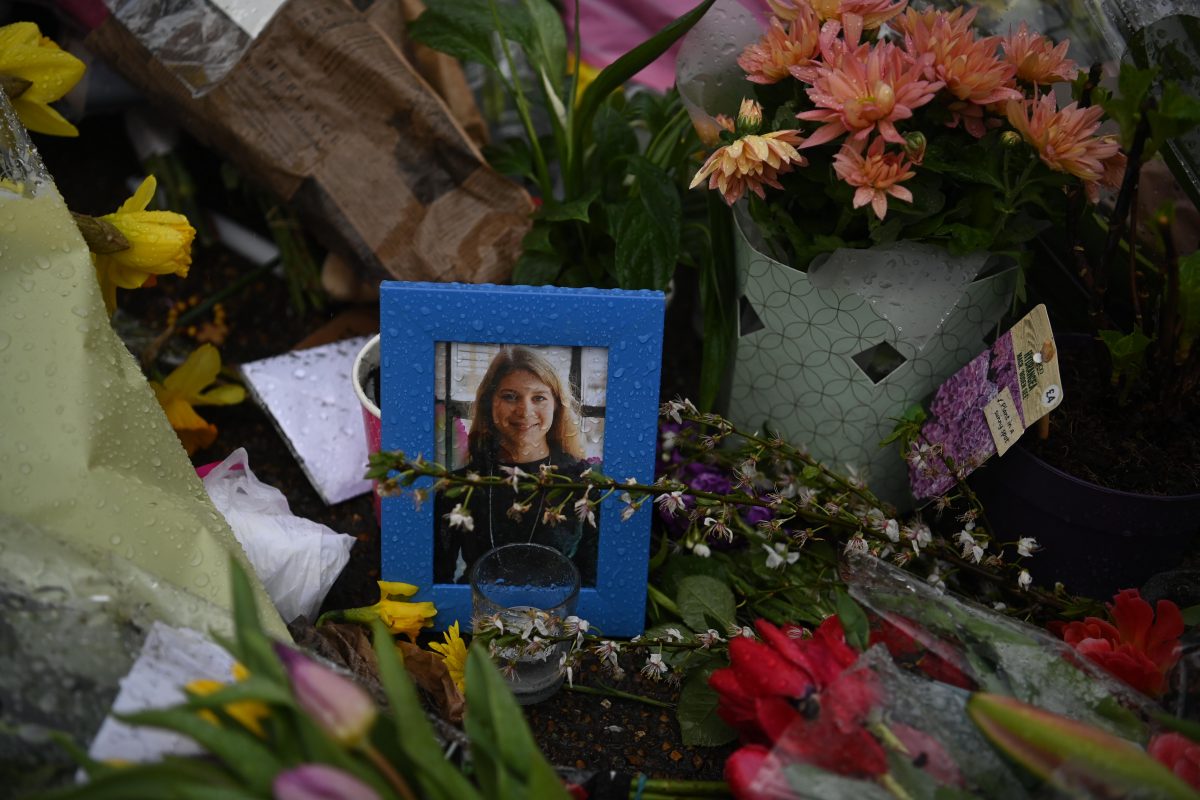
Credit: NEIL HALL/EPA-EFE / Shutterstock
Sanjana Benakappa, 23, who also lives in South West London, said Sarah’s murder reinforced concerns many women already had about their everyday safety.
“It highlighted a reality that many women already understood – that even ordinary things like walking home can carry risks,” she said.
When first moving to London, Benakappa told the Kingston Courier that her friends and family were worried about her safety. She said:
“Sarah Everard’s case was often mentioned when they talked about their concerns, particularly about me living and travelling around South West London.”
While Benakappa said she feels “more comfortable” in London during the daytime, she still feels “less safe here than in other UK cities, particularly when travelling alone late at night.”
Benakappa said practical improvements to public safety would make a meaningful difference to women’s safety.
“Continued focus on police accountability, better street lighting, transport safety, and ensuring reports of harassment and violence are taken seriously would all be important steps,” she said.
Half a decade on, Sarah’s memory remains at the forefront of many women’s mind in South West London. For residents like Cook and Benakappa, the fear and frustration that ensued after this tragedy remains.

Editor