
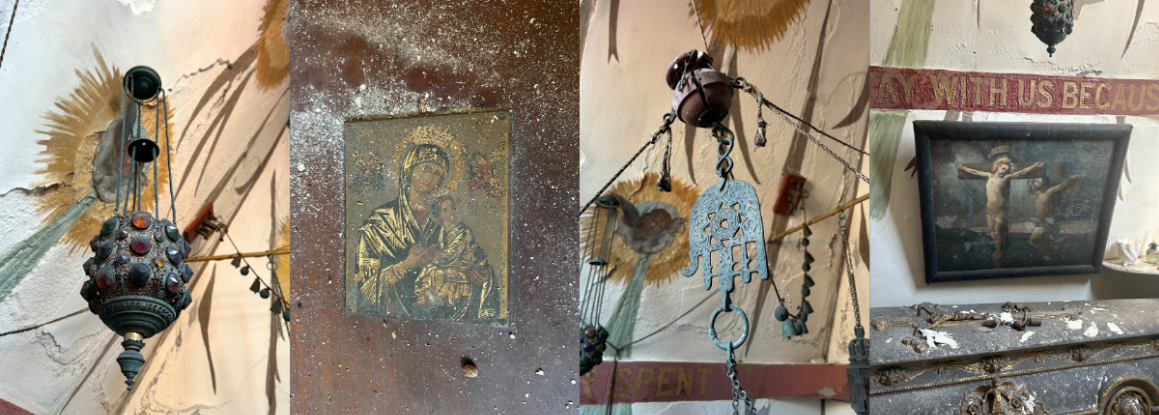
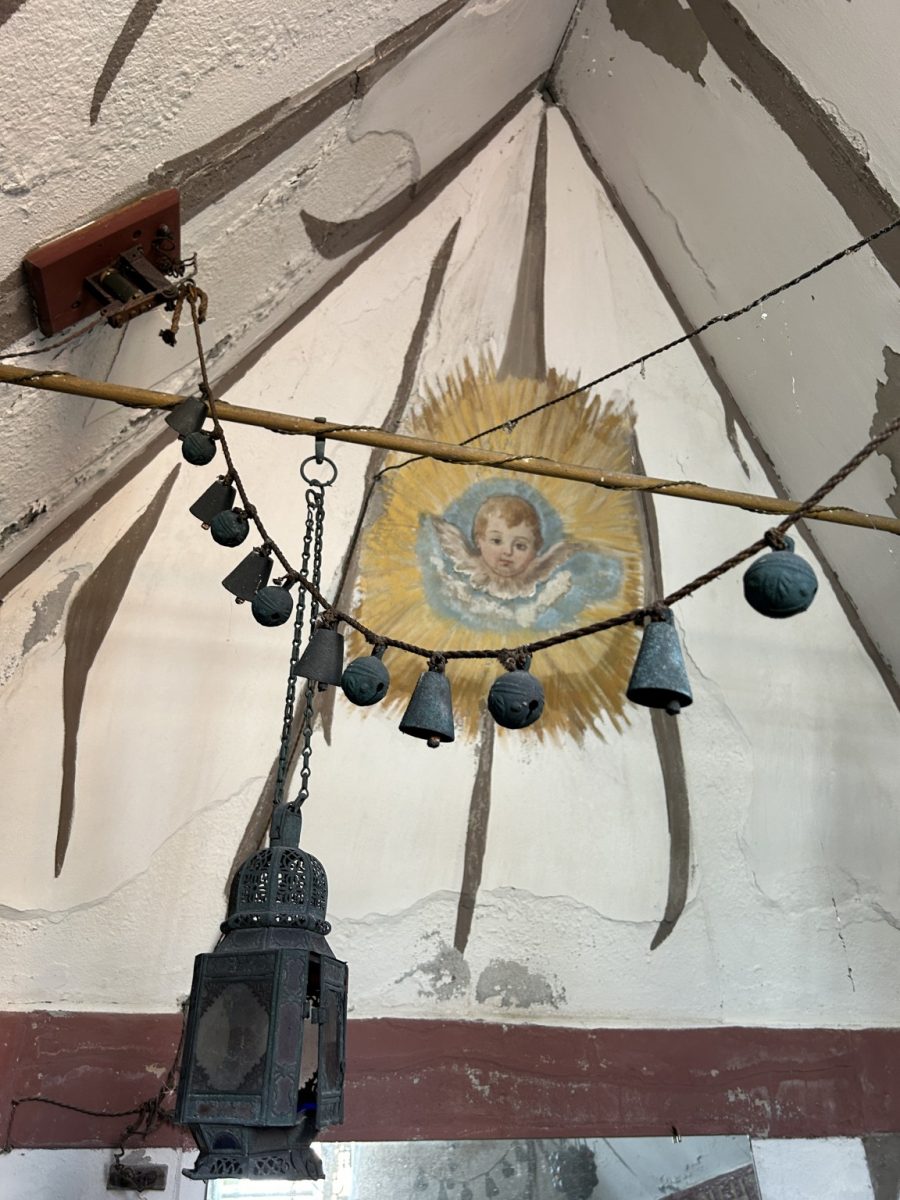
The restoration crew discovered centuries old door bells and rosary beads from the explorer’s adventures
When the Richard Burton Mausoleum in Richmond was vandalised in the 1950s its door was damaged sealing the artefacts inside for decades.
Volunteers with local charity Habitats and Heritage have been determined to retrieve the objects and make the mausoleum accessible to the public again by restoring the structural integrity of the building.
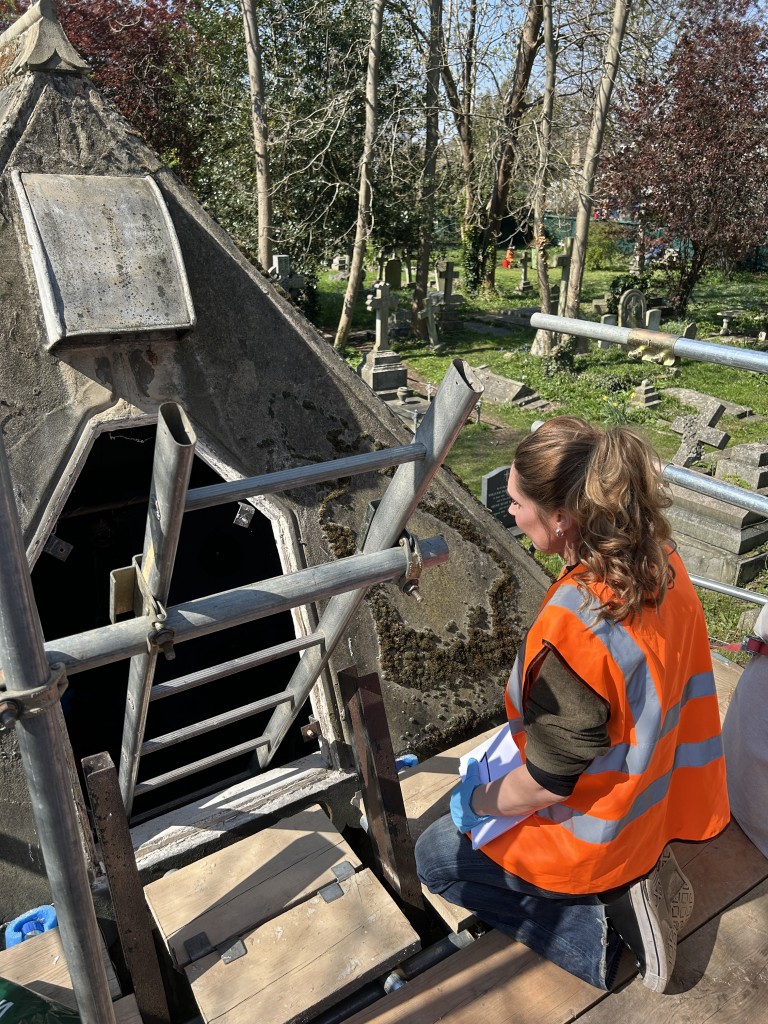
Helen Wickstead, the curator of the project at the Museum of Richmond, said her student volunteers were excited to preserve the objects.
Wickstead said: “It’s very, very unusual to get a mausoleum of that date that still has artefacts inside it from the collection.
“The vast majority of them have been robbed. This one has been broken into as well, but not everything was taken.”
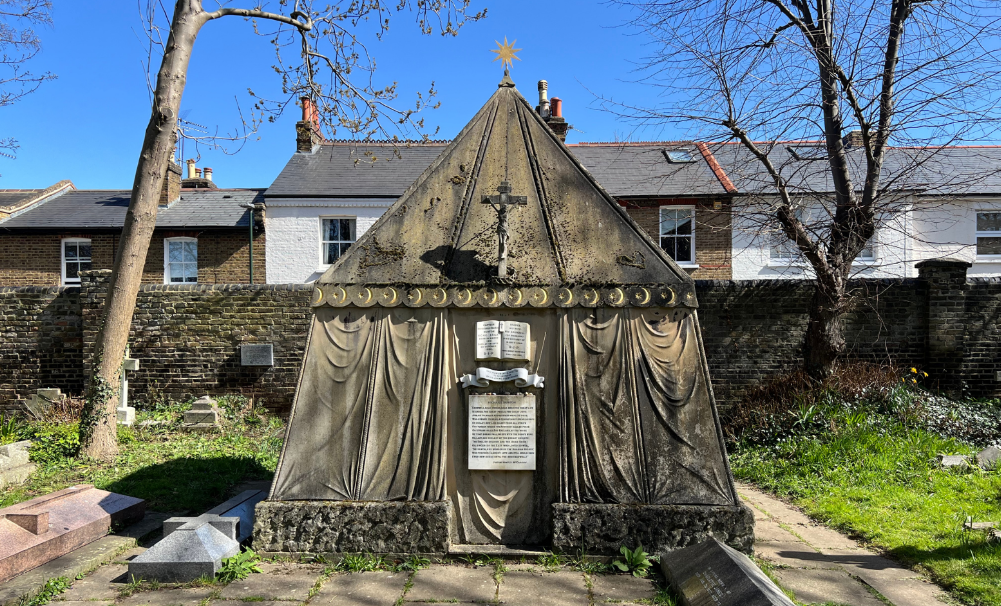
The mausoleum was carved from sandstone in 1890 and contains the tombs of the Victorian explorer Richard Burton, a major Islam advocate, and his wife Isabel, a devoted Catholic.
Their different denominations were reflected in a combination of different religious symbols in the frescoes on the walls, tile work on the floor and decorations on the tombstones.
Isabel designed the mausoleum to resemble the tent that was used by her and her husband when they went on expeditions in the Syrian desert.
The pair travelled a lot, so the crew was focused on finding out the story of the objects like oil lamps, ceramics, and icons that were collected at different times and places.
The crew discovered that the door bells on Burton’s coffin were brought from Damascus, and his rosary glass beads were handcrafted, as each bead has a unique shape.
Lorna Swannell, a student-volunteer, described the work of preservation.
“We have to think about the hazards. This one has a lot of dead bugs and a lot of old spider webs and dust,” she said.
Gloves and masks have been required to protect the crew from mold and dust.
Dating an artefact is also important to determine whether lead paint or other harmful chemicals were used.
Visitors will be able to see the retrieved artefacts displayed in a temporary case at the Richmond Museum. The objects are rotated on a weekly basis.
The team hopes to restore the mausoleum this spring. Visitors will then be able to see the inside with all the artefacts put in their original place.