
From a Heated Rivalry star’s private thoughts to Brooklyn Beckham’s very public estrangement, celebrity secrets are big business online. But what does it say about the public’s passion for gossip?
Like the secret love affair in breakout streaming hit Heated Rivalry, things can get pretty passionate in private. Problems start, though, when our most private moments go public.
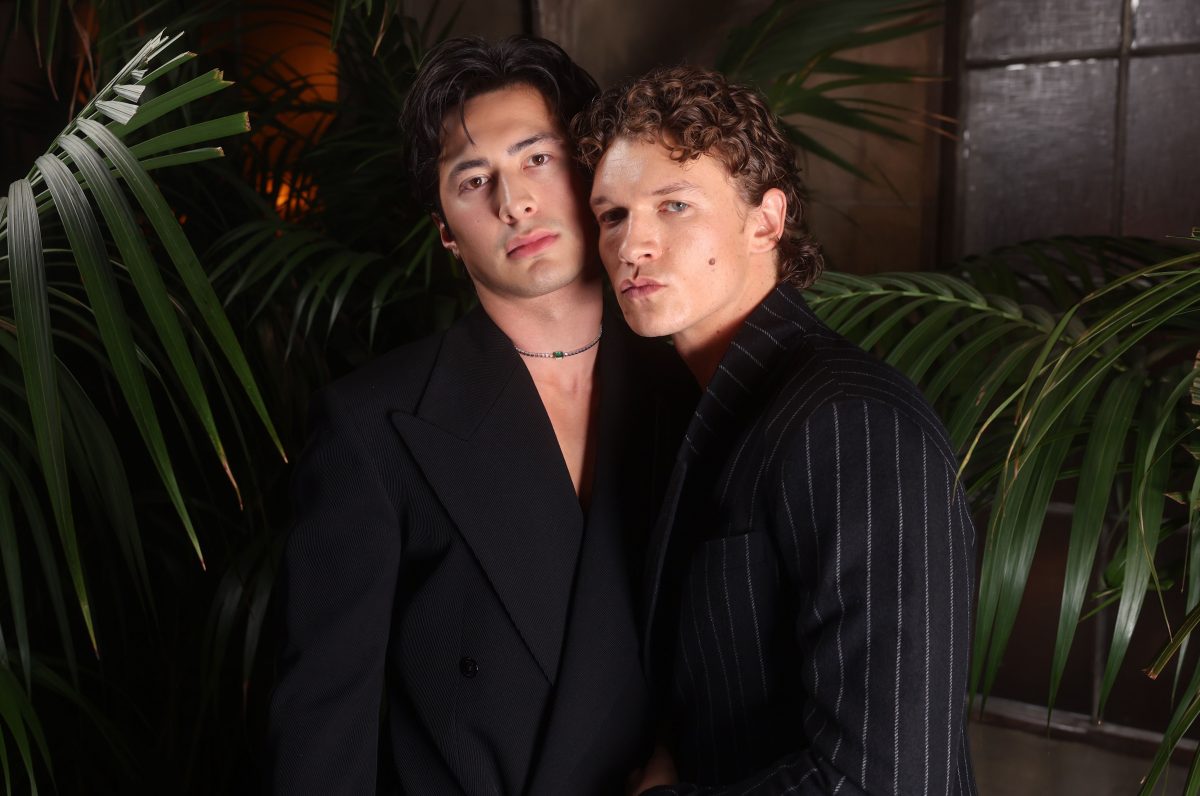
Just ask Heated Rivalry star Hudson Williams, whose “alleged” reviews on the popular film review app Letterboxd also went public earlier this year. The leaked reviews – which the actor said were mostly fake, criticised actors like Pedro Pascal, Rachel Zegler, Timothee Chalamet and professed his love for “perverted movies” like Stanley Kubrick’s 1962 cult classic Lolita.
Williams faced intense backlash on social media. People criticised his reviews and acting on X. Some came to the actor’s defence. User @steellgoddess said: ”this mass hating on hudson williams’ letterboxd reviews because he happened to dislike a piece of art you really liked is a prime example of the death of critique and the rise of anti intellectualism but yall arent ready for that conversation yet i think”.
Another user @bribrisimps wrote: “it really sucks that you can be an actor in between gigs and “undiscovered” going about your life as normal like any other artsy gen z adult and one show suddenly propels you into a stratosphere in which you are considered morally bankrupt for a harsh letterboxd rating.”
Williams eventually deleted his account. He might have shared some very personal, sometimes comical, criticism long before his stardom, but he never intended his passionate reviews to go viral.
The actor’s passion went public, but it does not seem to have hurt his appeal; he and fellow co-star Conor Storrie have quickly become 2026’s biggest pop culture phenomenon, the stars of red carpets, magazine covers and many memes since.
Others whose passions have gone public without their consent have not been so lucky. The scenario was different for Kristin Cabot, who was caught in a passionate embrace with her boss Andy Byron at a Coldplay concert. The kiss cam moment spread like wildfire online. Aside from making memes and parodies, users leaked information about their personal lives while others circulated fake videos and sent death threats to Cabot.
The Guardian called the incident “a public trial” and said the “invasive publishing of private details” should not be the response to the public outing of an affair. The consequences were severe, with both resigning from their respective jobs.
Professor Ellis Cashmore, author of the book Celebrity Culture, said that we are assumed to have a “natural curiosity” but the kind of “voyeurism” we experience today and which has become an accepted part of our culture is quite recent. In 1960s Hollywood, for example, the industry tightly controlled the private lives of its stars and audiences “had no genuine appetite for the tittle-tattle”, he said.
“It sounds unthinkable today to imagine fans would not be especially interested in the passion-fuelled experiences of the celebs,” said Cashmore.
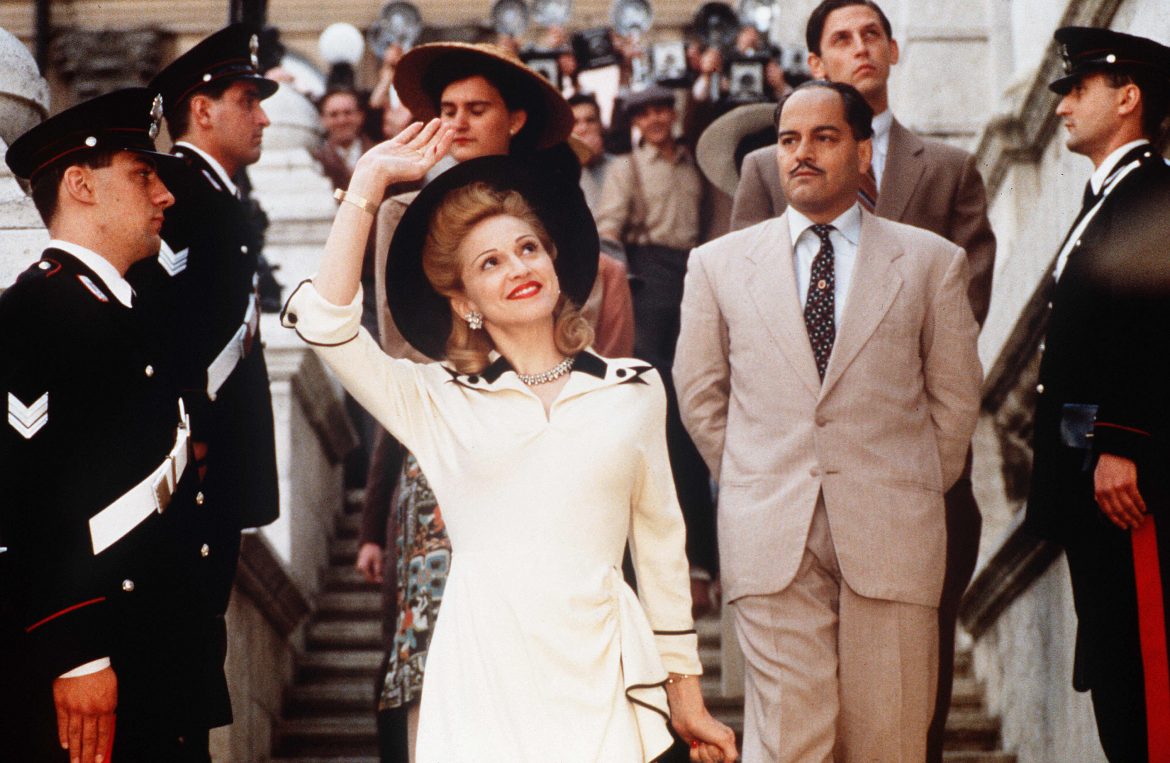
Cashmore points to a cultural shift with the rise of pop superstar Madonna in the 1980s, who refused to keep her life private, which he said, “changed us, our habits, interests, sensibilities, tastes and emotions”.
Then, technology changed the borders between public and private.
“By the early years of this century when the sharing conduit of social media arrived, we were all effectively peeping toms. Guiltless peeping toms,” said Cashmore. “We felt no shame or embarrassment in prying into others’ lives as we would have in the 1950s”.
What is clear is that there is a general appetite for leaks. We like to pry into people’s private passions. What is less clear is the consequences.
This year’s biggest leak so far was by Brooklyn Beckham, eldest son of Victoria and David, in which he alleged the family feud between them was all his parents’ fault.
But after a deluge of memes, messages and newspaper reports on the subject, it does not appear to have harmed brand Beckham. Victoria scored her first UK number one record, after fans mounted a campaign in support of her against allegations of dancing inappropriately at his wedding.

But maybe it matters less about what happened, and more about what we decide to do with the private information.
Cashmore said that passion is a genuinely intense emotion and therefore people interpret it as unique and authentic, unlike publicity stunts. He said the truth or falsity of the moment or someone’s personality is of little importance once it is in the public domain, and the audience response, which is often internet shaming, becomes part of a reward.
“The reward is not so much in receiving the intel, but in sharing, discussing and participating in something much bigger than the celeb themselves,” said Cashmore, “We are the ones that create and perpetuate the discourse. Once we take ownership of the “private” moment, it becomes what some call sui generis [unique].”