
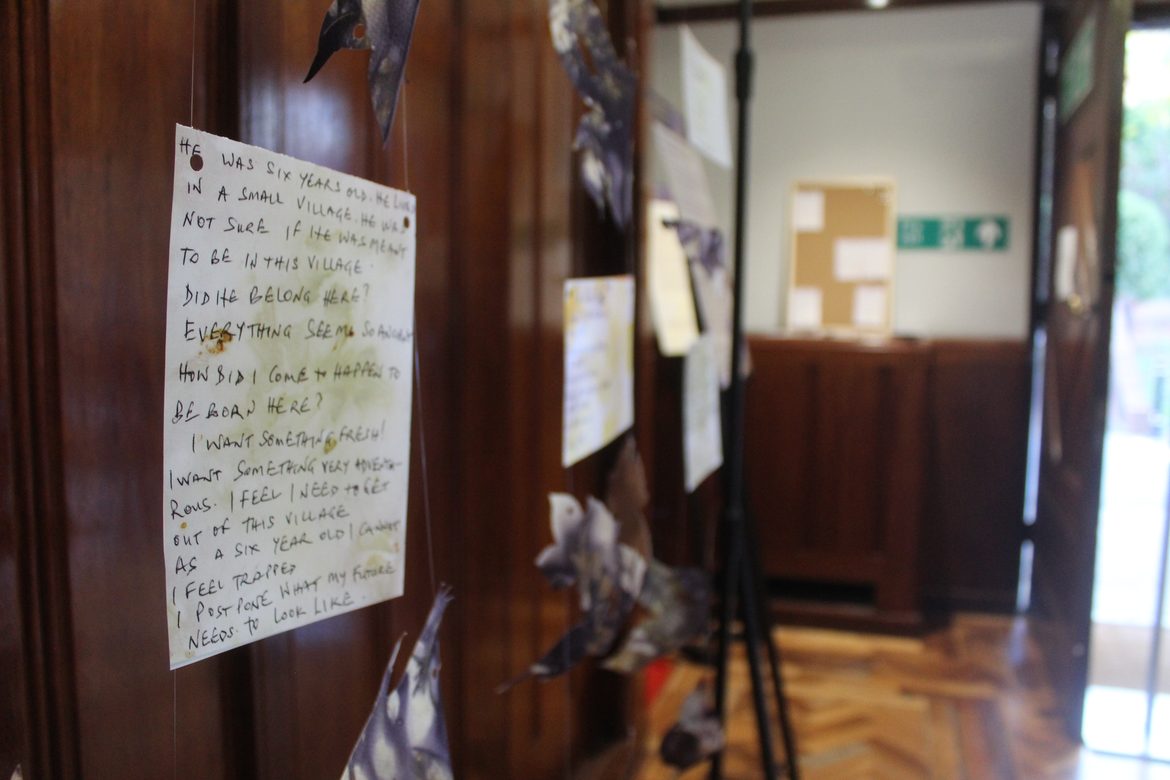
The local charity has launched a new exhibition aimed at telling the stories of minority communities in Kingston
A new exhibition aimed at telling and preserving the history and stories of minority communities in Kingston has launched.
Decolonising Kingston: The Living Archive is a new display of poems, stories and artefacts from marginalised communities, organised by the Kingston Race and Equalities Council (KREC).
The project also honours 50 years since the charity’s founding in 1976.
The display opened to the public last week at the Kingston History Centre. From November until June, the archive will tour seven libraries across Kingston.
Alongside a range of creative and historical work, the exhibition includes a printed anthology and a film. The collection aims to provide representation for the often-overlooked stories of minority communities in the borough.
John Azah OBE, CEO of the KREC, said, “[The records in Kingston] didn’t have anything about Black and Asian and minoritised communities visually represented as it were. So, we wanted to address that.”
The exhibition encourages visitors to use small handwritten cards and add to the historical record of Kingston. Visitors are free to write anything from personal stories to poetry.
Azah said of the participatory element: “We are also lending something much more active to it. It’s not just somebody collecting historical data and putting it in a box.”
Already, the archive has collected messages from local attendees of past progress and future hopes for racial equality.
KREC worked in collaboration with the local council and the National Heritage Lottery Fund (NHLF) to build Decolonising Kingston.
Jo Bradshaw, senior cultural & heritage leader at Kingston Council, encouraged people to attend and actively engage with the exhibition.
She said, “Come, hear, and read some people’s stories you might not have heard before, and share your own stories.”
Over the last 50 years, KREC has aimed to eliminate racial discrimination, promote racial harmony, and address human rights. During this time, KREC has supported victims of hate crimes and run community events such as “Bike Across Cultures” to celebrate diversity.
Perhaps the most notable event organised by the KREC is the annual Kingston Carnival, which has a dedicated display case in the exhibition.
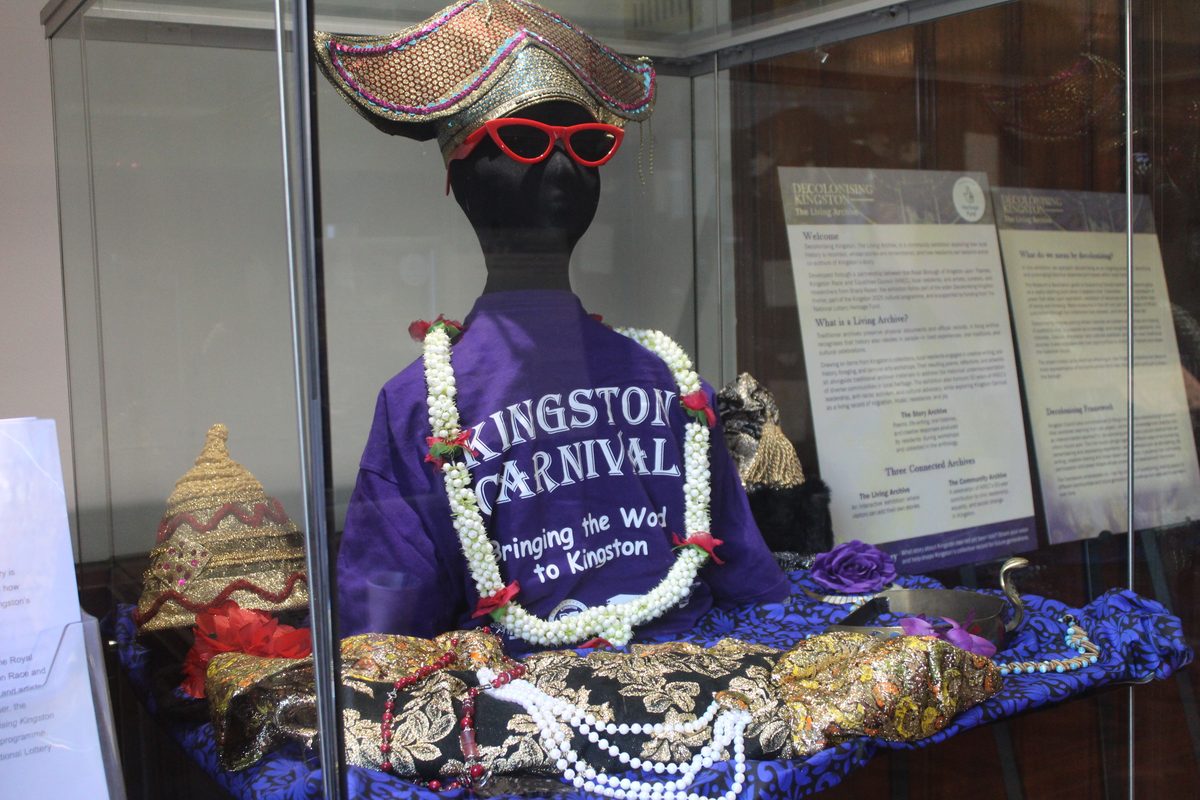
Kingston Carnival was originally named the “Kingston Ethnic Health Fair” instead of “Kingston Carnival”. Azah said this was due to the reputation that carnivals had at the time. However, after a few years of success, the event was renamed and successfully revitalised the local image of carnival.
Azah said: “Instead of being seen as something very negative, they [locals] see it [carnival] as something really positive, which brings colour into the town, which brings people into the town.”
Kingston Carnival is set to return in 2027 after its hiatus this year.
Azah attributes the success of the KREC to the willingness of the organisation to expand its role beyond exclusively race and collaborate with local communities.
He said, “We went wider to deal with other equalities. We enjoy working in partnership. We like helping each other, and I think that’s what’s allowed us to push on really.”
The exhibition will be on tour starting at Hook and Chessington Library in November 2026 until June 2027.
For exhibition dates and location: https://www.kingstonheritage.org.uk/about-decolonising-kingston