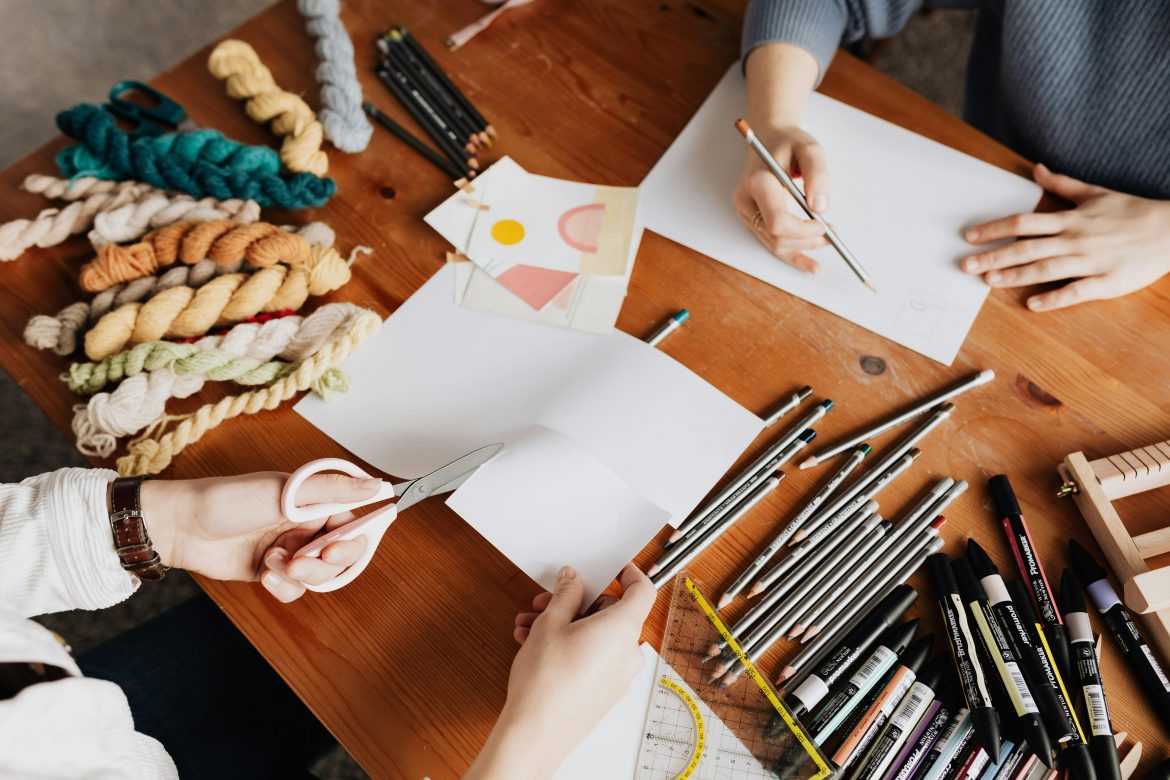
Have you ever wondered whether your hobby could turn a profit? These days, even “grandma hobbies” like crocheting, knitting and baking seem like potential side hustles. Online, there are plenty of people earning from these hobbies, like Olympic diver turned influencer Tom Daley, whose knitting and crocheting skills have led him to opening his own online crafts and clothing store with more than 1.4 million followers on Instagram. But there’s a catch: turning a hobby into a source of income undermines its true value.
From the moment you put a price on your passion, office hours rules apply to time meant for relaxation and work-life balance. Trying to monetise a hobby means taking on more work during your personal time.
A hobby is a “regular, ongoing activity that is undertaken for pleasure, in one’s own time, without professional or financial gain,” according to a study published in the Journal of Occupational Science. Hobbies are meant to be about our free time, away from both workplace pressure and self-imposed expectations.
Many succeed in turning these hobbies into side hustles, but whether it’s making crochet beanies or sourdough, these activities serve a deeper purpose than income. Hobbies are a way our brains cope with psychological challenges without the pressure of getting them right. If the hobby was paid, the stimulation could still be there, but pressure would also be added to the equation — and that is not what hobbies are about. Psychologist Alex Pang, who specialises in rest and recovery, said that the practice of a hobby “gives you the same rewards that work-life would give you, but without the frustrations.”
In addition, studies have found that hobbies are a mental health booster. Research from Harvard University found that “hobbies — such as arts and crafts, games, gardening, volunteering, or participating in clubs — involve creativity, sensory engagement, self-expression, relaxation, and cognitive stimulation, which are linked to good mental health.”
Though it’s completely understandable that we might feel tempted to make extra cash from something that gives us such pleasure. After all, many of us need all the money we can get right now. The cost of essential goods has risen by almost 15 per cent in the last three years, according to the Bank of England. The unemployment rate is 5.1 per cent, according to the Office for National Statistics, a level last seen during the pandemic.
But can we put a price on mental health? As burnout coach Anna Schaffner pointed out, putting a price on your passion means losing its joy, which is the biggest reason why someone would maintain it. “If we turn our hobby into a side hustle, we negate its function as a purely pleasure-providing activity, which is free from the need to perform, produce, or generate income,” she said.
In a culture that demands us to be productive, hobbies have become one of the easiest ways to let off steam. Turning a beloved hobby into a side hustle might feel tempting but robs it of its purpose: freedom from pressure. Before making a hobby profitable, it might be worth asking yourself: do you need extra income or mental relief? For some, monetisation may be essential. For others, the value of a hobby lies in the fact that it does not ask anything in return.