
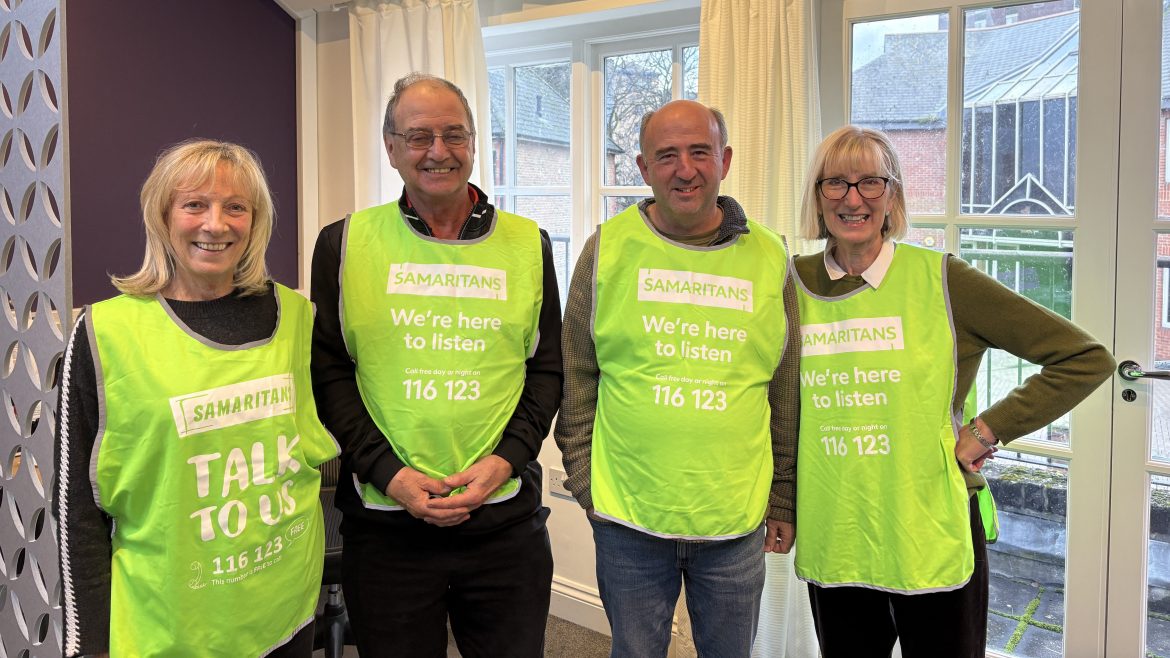
Kingston’s army of volunteers is providing a vital 24-hour lifeline to the borough
Kingston faces an “immense” cost to the community if its local network of unpaid volunteers decreases, volunteering leaders have warned, as the borough’s 24-hour crisis lines and other volunteer groups hold down the community.
The Kingston Samaritans, a local branch of the 24-hour suicide prevention service, relies on over 170 volunteers to answer calls and provide aid to those in deep distress. For the volunteers, the role is often a profound labour of love.
“I feel very privileged to be part of what I think is a very important service, it does my soul good,” said Phillip, 76, who joined after retiring four years ago.
But providing that comfort is a massive undertaking. The work requires a year of training, and the branch must raise around £55,000 every year just to keep the lights on.
Volunteers at the Kingston branch finish approximately 42 shifts a year, often working through the night while holding down full-time day jobs and responsibilities.
They also send teams to local train stations and prisons, looking for people who might be struggling before they reach a breaking point.
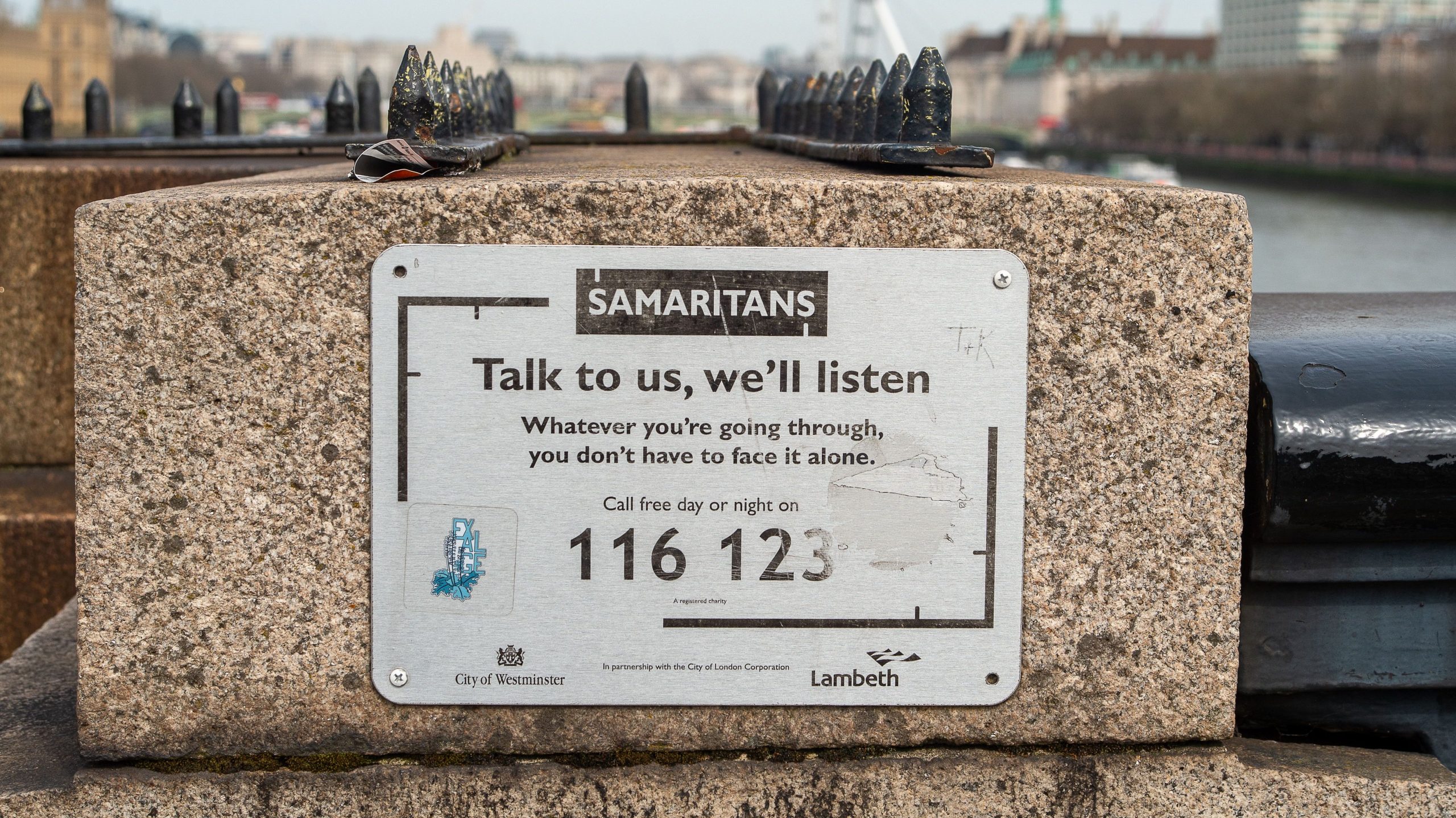
“We listen without judgment and try to offer hope and a reason to continue when someone is in their darkest moments,” said Branch Director Jo Nicholds.
For many, volunteering gives something back to them too — like an improvement in their own mental health and new skills.
“It’s a really good sense of teamwork doing something that’s giving back to the community, rather than just thinking about your own problems,” said another Samaritans volunteer, 59-year-old Angus.
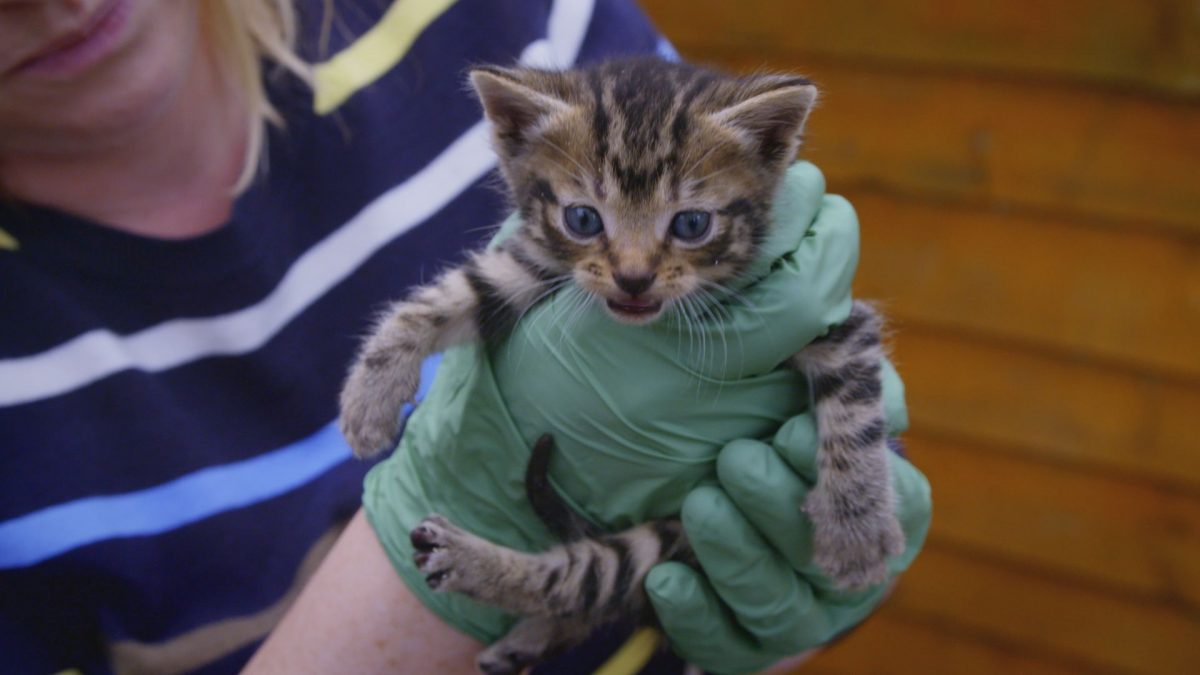
This same spirit of service extends to the natural world. Volunteering for the RSPCA is a challenge, says Charlotte Lister, 38, from the Midlands, who fits “micro-volunteering” for the animal welfare charity around two jobs and a busy family life.
“The reward comes from knowing you’re making a real difference,” said Lister. “Seeing the impact of small actions on local wildlife is incredibly motivating.”
Those who work for no pay in our community do vital jobs, according to Volunteering Kingston, a group that connects people with local charities.
Without volunteers, critical services like food banks and crisis lines would likely struggle to remain open— a reality that would leave the city’s most vulnerable exposed.
“It is absolutely correct that should volunteering ever be on a serious wane locally, the costs to the community we live and work in would be immense,” a spokesperson for Volunteering Kingston said.
Ultimately, the strength of Kingston’s volunteer network lies in the fact that it offers something that money cannot buy: genuine human connection.
“For someone in crisis or emotional distress, a Samaritan conversation can change the course of a life,” said Nicholds.