

We asked local young people for their views on how they speak, following a nationwide survey on accents
A major survey of young adults in the UK has highlighted that lots of Gen-Z in London are proud of their accent, but it is not the most important part of their identity.
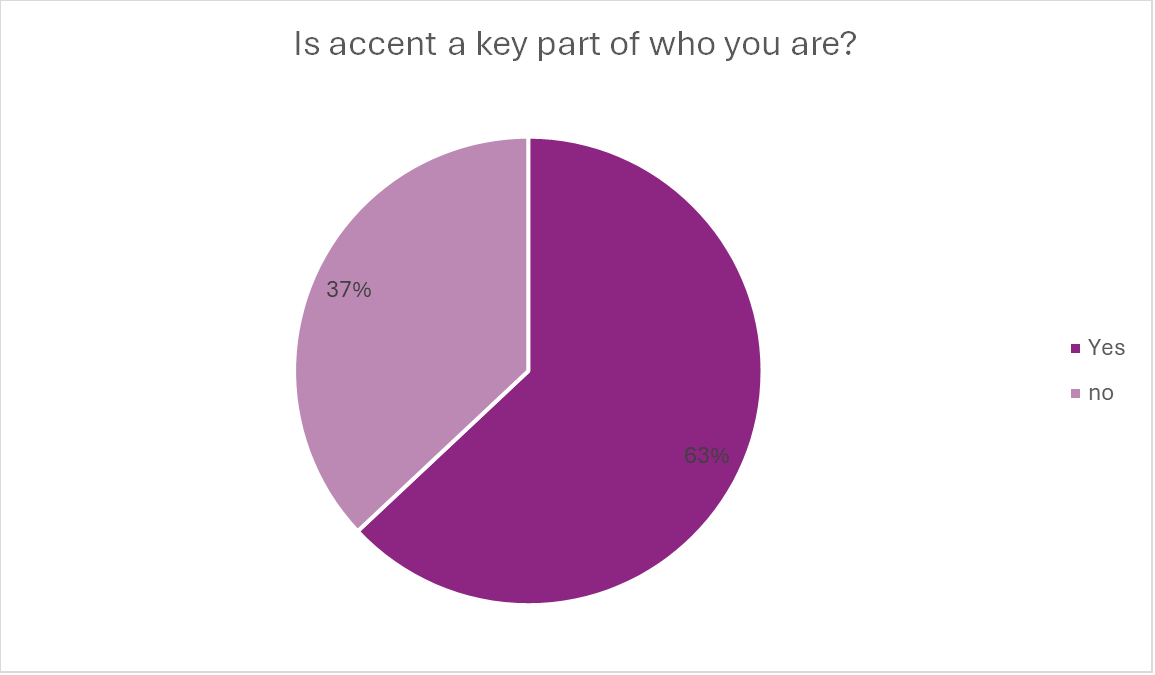
The findings by LADbible, as part of the brand’s Youth Census, found that 63% of the 8400+ respondents overall consider their accent important to their identity.
The results chimed with locals the Courier spoke to about their accents.
“I love my accent, it makes me feel more connected to my roots,” said Suhagi Akter, 26, from Walton-on-Thames, who described their accent as a mix of British Bangladeshi. “However, it was never a key feature of my identity, I think my physical appearance is more of a factor.”
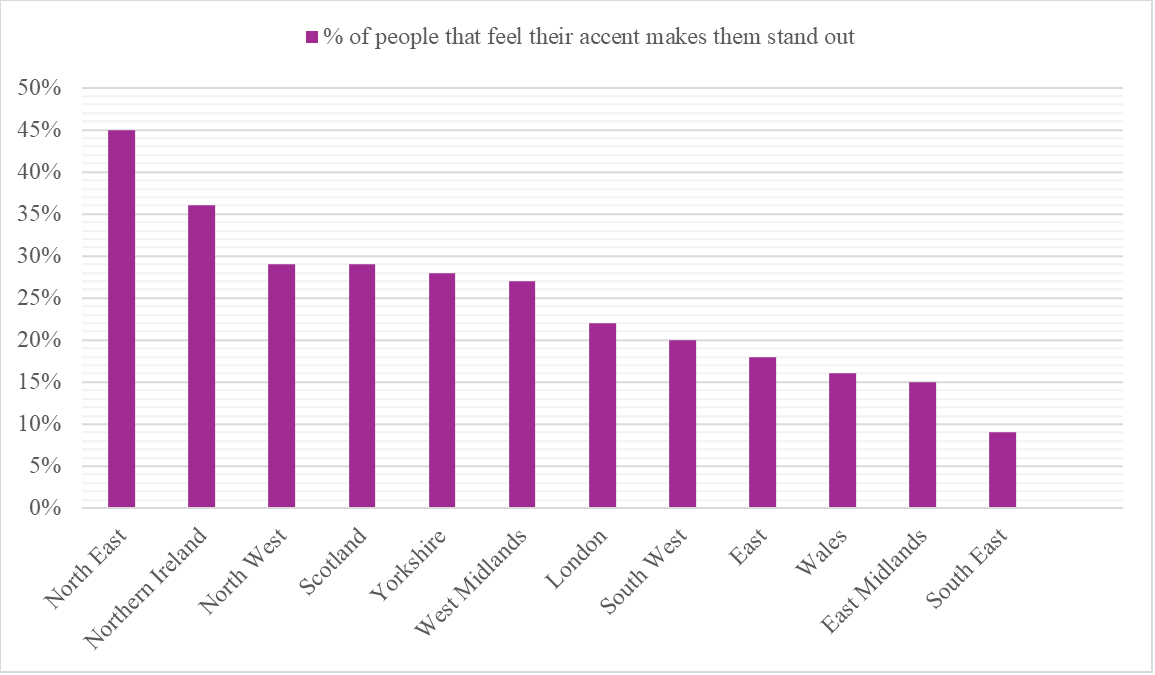
LADBible conducted the research across 12 areas of the UK in the biggest ever survey of its kind.
Out of the young people surveyed, those in London felt their accent does not make them stand out from others, with only 22% saying it does.
Akter said that whether their accent makes them stand out depends on the situation.
Another Kingston resident Elizabeth Fox, 19, who is originally from Yorkshire, said that while not the most important part of her identity, her middle-class Yorkshire accent is distinctive when living in south-west London.
“I stand out in the sense that people point it out,” she said. “Maybe it makes me more interesting.”
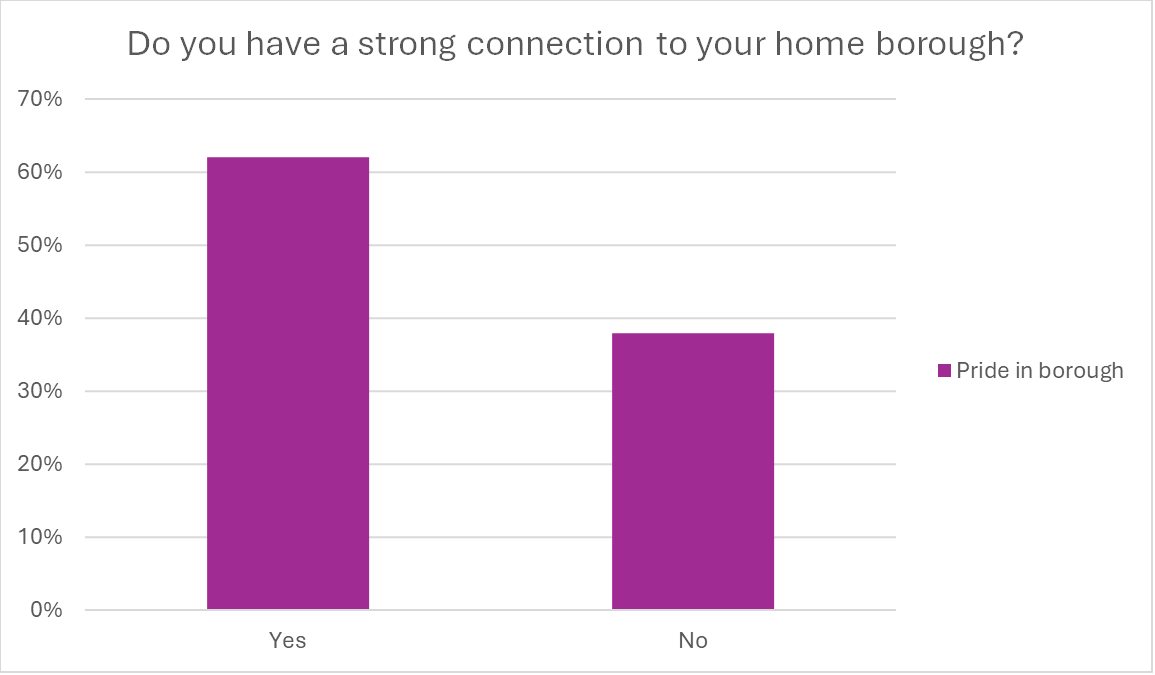
Gen-Z in London reported a strong emotional tie to their local area, with 62% expressing pride and a strong connection to their home borough.
“There’s a sense of pride,” Fox said about her hometown. “People where I’m from are super proud of it.”
Leading linguist Laura Bailey said of the findings:
“Because language is such an inherent part of being human, it’s as part of us as our own face, and it also gives us a connection to family and home.”
Bailey, a cross-linguistic lecturer at the University of Kent, said many local accents in boroughs like Kew and Kingston are not distinct from the wider south-west, suggesting people can be proud of their area while still sounding like a generic Londoner.
The pressure to adapt one’s voice to professional settings was underlined by local Jenn Castro, who added that being able to code-switch had helped her adapt to ‘more affluent backgrounds’ and progress in her career.
She said that if she “hadn’t learnt how to use my [her] corporate telephone customer service voice, it definitely would have kept me [her] from having certain opportunities.”
“Accent is also important for external reasons because people notice it and make assumptions about us based on it,” said Bailey.