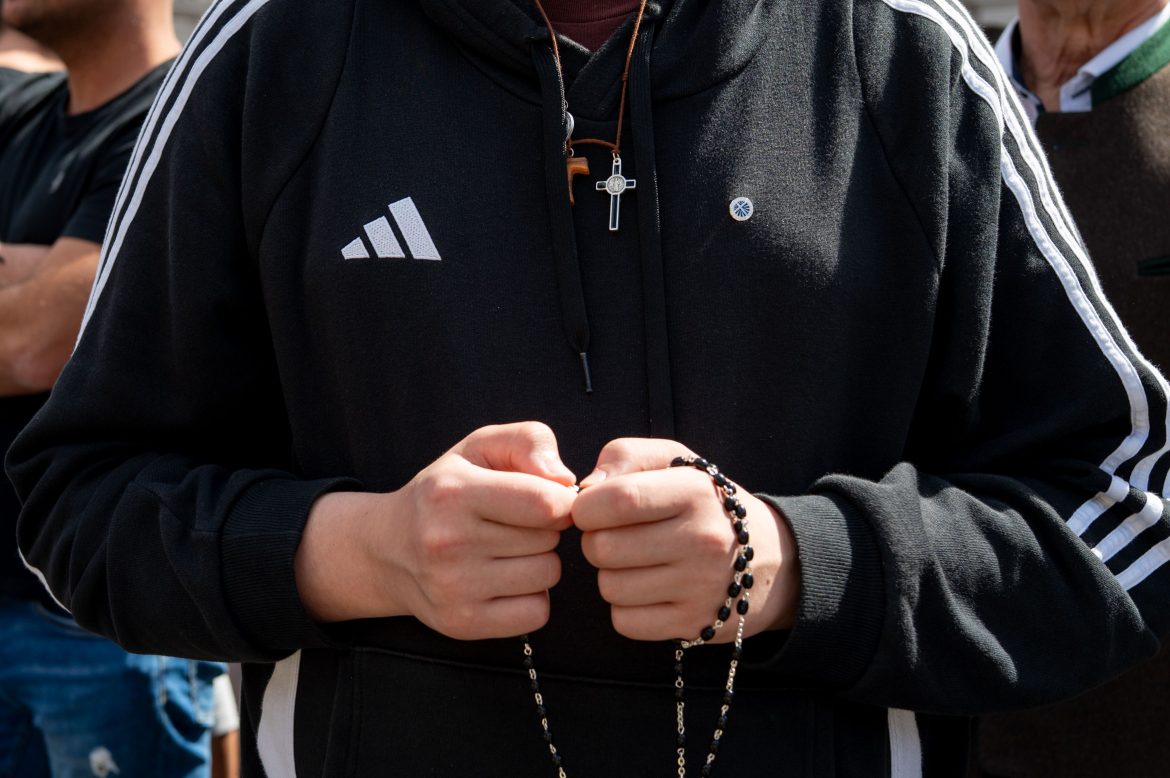
As studies show that Gen Z is converting to Christianity faster than previous generations, we spoke to young, local church goers about why they’re turning to God
When Devyn Hadfield, 26, moved into a shared house with two people he found online, he didn’t expect it to change his life. But a casual invitation from one of his new housemates set him on a very different path.
“One day, one of my housemates invited me to attend Mass with them,” Hadfield said. Although hesitant, he decided to go along. “The service resonated with me in a way I hadn’t experienced before,” he said.
For Hadfield, the appeal of Catholicism was not about tradition, but about belonging. “In the modern age, many people find themselves slipping through the cracks, feeling invisible or disconnected, unsure of where they truly belong,” he said. “Within the Catholic Church, community is a lived reality.”
Hadfield is not the only young person finding faith. New research suggests that Gen Z is reversing decades of decline in religious belief and church attendance.
According to a 2025 YouGov study, The Quiet Revival, belief in a higher power is rising fastest among young people. Over the past six years, belief in God among 18 to 24-year-olds increased by 17%. By contrast, belief among those aged 65 and over rose by just 2%, while it fell slightly among people aged 45 to 54.
As well as belief, the study also tracked religious behaviour. It found that regular church attendance among 18 to 25-year-olds has more than tripled. Much of that growth has been driven by the Catholic Church, which now accounts for 41% of churchgoers aged 18 to 34.
Catholic churches in and around Kingston are witnessing this movement firsthand.
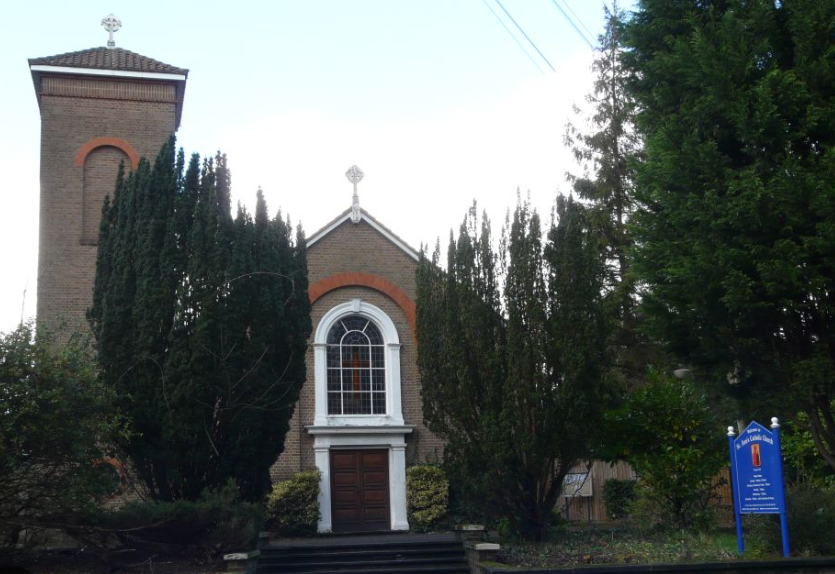
“Over the past year and a half, we have seen a significant growth in parish participation, particularly among young families and younger adults,” said Fr James Raj of St Ann’s Church in Kingston Hill.
“It has been encouraging to see numbers increase substantially and parish life become more vibrant,” he said.
Credit: Abigail Banks-Smith
Georgia Clark, Director of Youth Ministry at St Elizabeth of Portugal Catholic Church in Richmond, says around a third of her parish is now made up of people aged between 18 and 30.
“They’ve contributed hugely to the transformation we’ve seen and the vibrant place the parish has become,” she said. “Social media is playing a part, without a doubt. But people are also feeling the need for community, and church does that really well.”
For many observers, like Clark, social media has been a key factor in the rise of Catholicism in Gen Z. Dr Edward David, a religious behaviour researcher and lecturer at King’s College London, says digital platforms have changed how young people encounter faith.
TikTok, in particular, has become an unlikely evangelising space. More than 25 million videos have been posted under the hashtag #ChristianTikTok, ranging from prayer livestreams and biblical analysis to ‘Catholic core’ aesthetic edits.
Eighteen-year-old Catholic TikTok influencer Angie Rossi, known online as @vaticangurl, says social media played a crucial role in her own journey of faith.
“Ease of access to information has really helped young people connect to Catholicism,” she said.
“Social media has made it very easy to interact with other Catholics. Connecting with other converts in particular has made me feel even stronger that this is the right choice.”
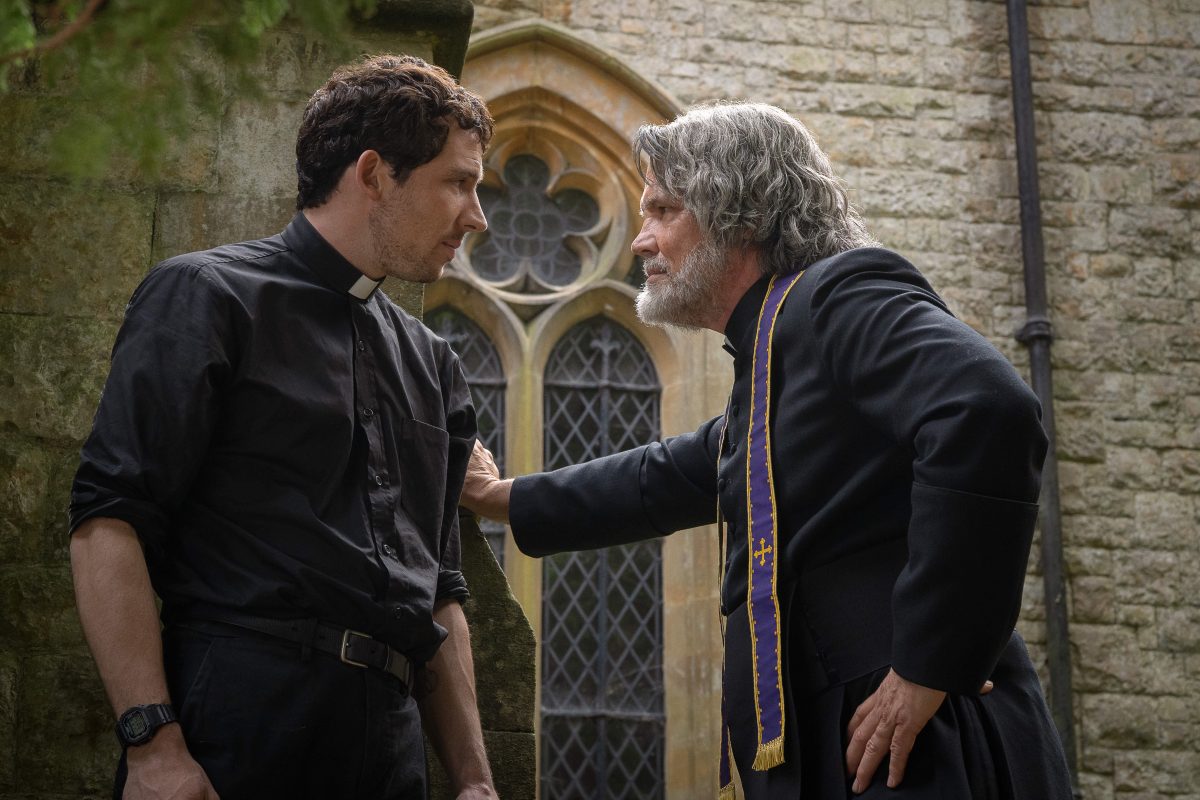
Online representations of Catholicism are not limited to traditional religious content. Pop culture has also helped bring the church back into mainstream conversation. From Andrew Scott’s conflicted priest in Fleabag to Josh O’Connor’s character in recent whodunnit Wake Up Dead Man, the ‘hot priest’ trope has gained significant traction among younger audiences.
Credit: Netflix (Shutterstock)
These portrayals of priests as emotionally literate men with clear values may have helped shift perceptions particularly of the Catholic Church which has been rocked by decades of scandal..
“These ‘Hot Priest’ depictions are helpful for audiences to have a positive interaction with ideas of faith, priests and church,” said Rev Shakeel Nurmahi, a young priest at St Michael’s Church in Northamptonshire.
There is no denying that social media is a contributing factor to this Catholic craze. However, Dr David cautions against viewing this rise in religiosity as a sudden trendy revival. Instead, he describes it as a “re-opening of religious curiosity” among a generation shaped by economic instability and political uncertainty.
For young Catholics like Hadfield, faith offers structure, meaning and community in an increasingly uncertain world.
Whether this rise in religiosity marks a lasting change or a generational phase remains to be seen. But for now, Catholic churches in Kingston, Richmond and beyond are experiencing a positive transformation, driven by Gen Z.