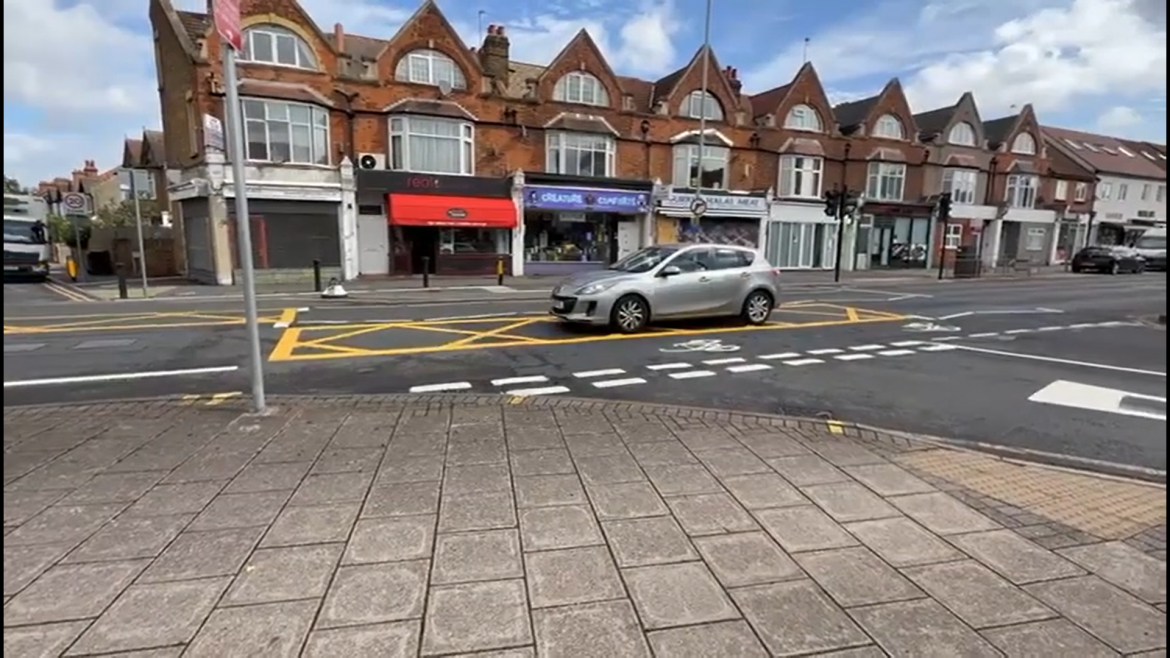
A Kingston Road box junction in New Malden took over £450,000 in fines over eight months, making it the most lucrative box junction in the country, according to a report by The Times.
Traffic law expert Phillip Morgan, has been fighting incorrectly issued tickets on behalf of motorists for 15 years. He believes the Kingston Road box junction breaks regulations because it is “too big”.
“Most adjudicators agree, not all, but most,” said Morgan, 73. “The whole issue is the law states a yellow box junction must be between two or more roads. This box junction extends beyond two or more roads.”
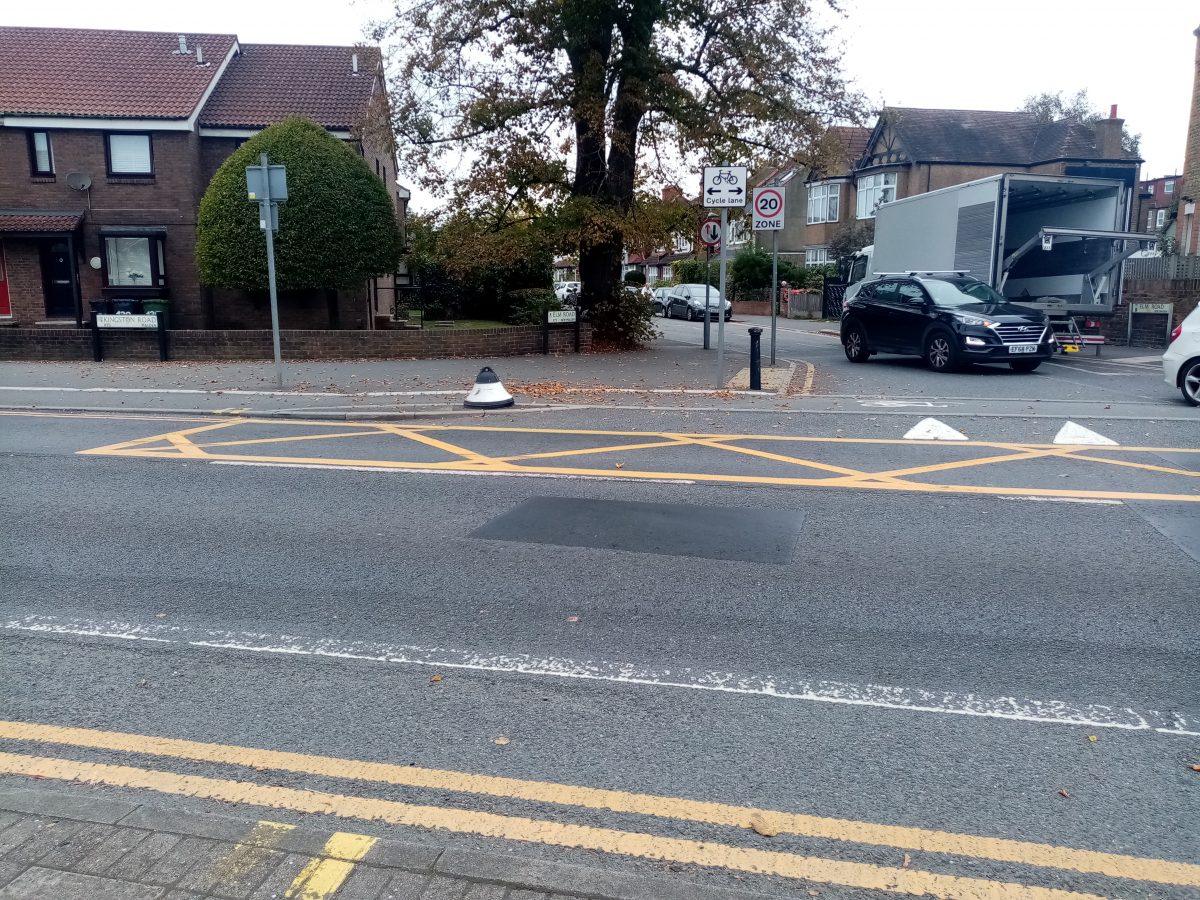
Morgan has won several appeals on behalf of motorists ticketed at the Kingston Road box junction on this basis.
The most recent case, from 28 October, saw tribunal adjudicator Sean Stanton-Dunne rule the fine invalid on the grounds that “box junction is not marked at the junction of two roads in accordance with the Traffic Signs Regulations and General Directions 2016, it being marked both in advance of, and beyond, the junction.”
Kingston Borough Council disputed the £450,000 figure, as reported by The Times. The council said that it came from erroneously combining the fines of “two separate yellow box junctions in close proximity to each other.”
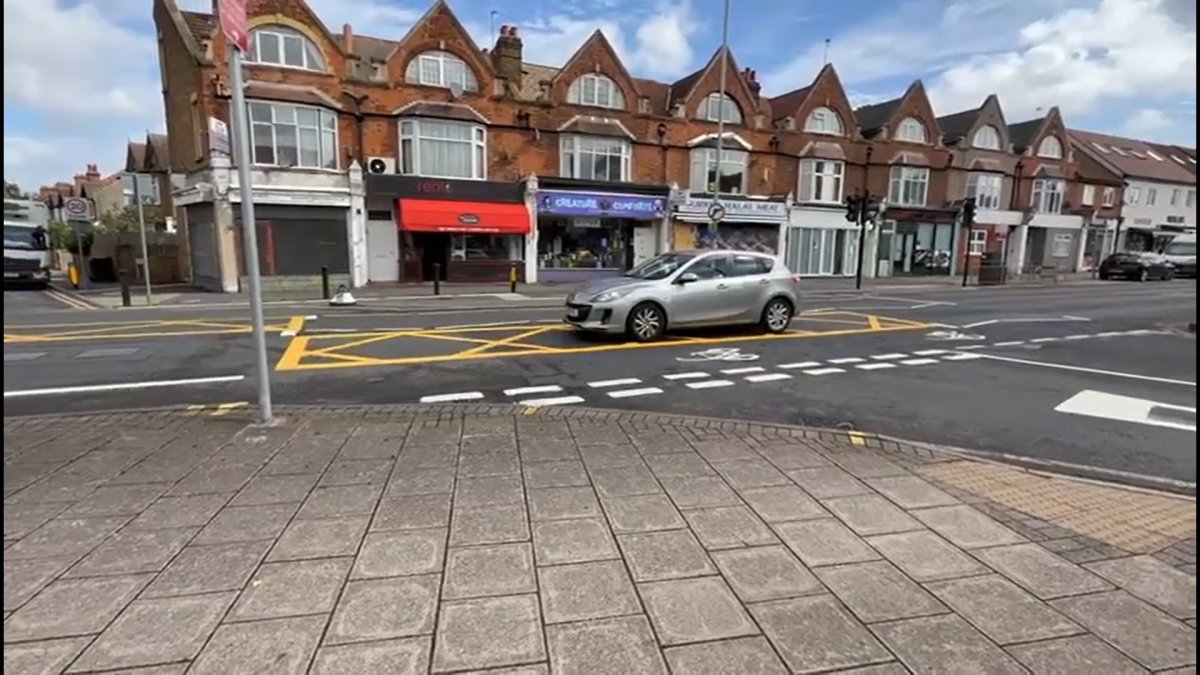
The box junctions referred to are situated beside each other. One covers the turning where Kingston Road meets Westbury Road, and the other where Kingston Road meets Elm Road.
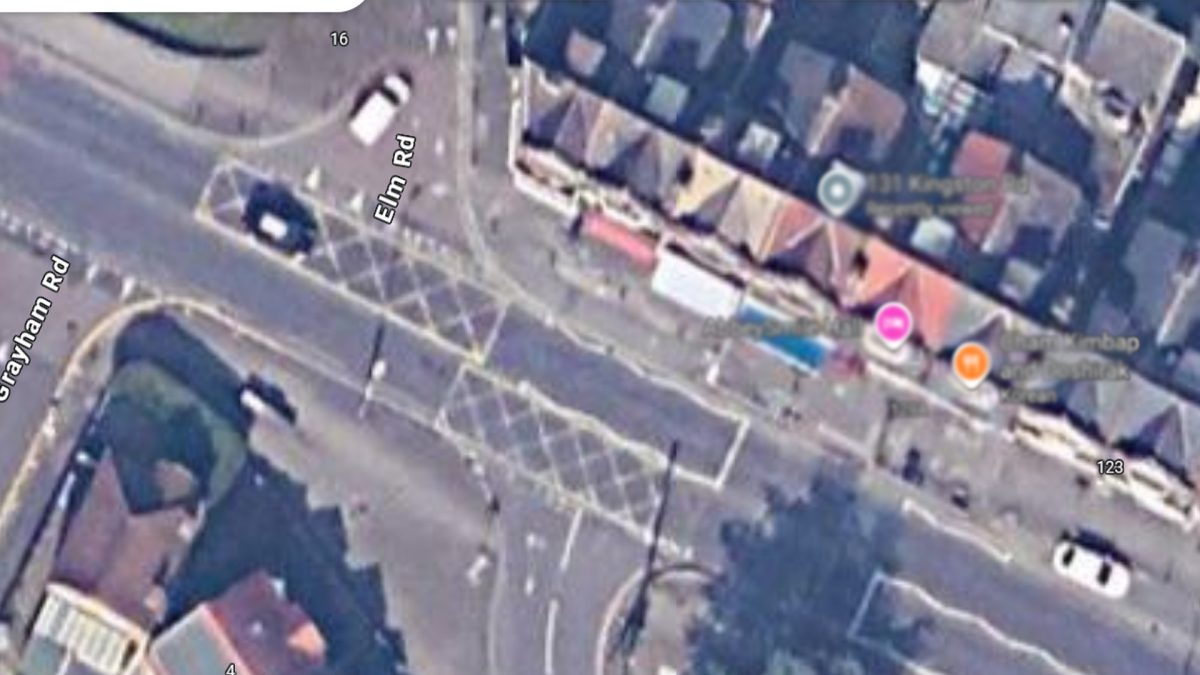
The Westbury Road yellow box was recently reduced in size after several adjudicators ruled it failed to comply with the 2016 regulations.
Morgan said the Kingston Road – Elm Road yellow box still fails to meet regulatory standards on the grounds that it is too large.
Kingston Council has taken the most, on average, of any council in the country from individual box junctions since January 2022. An FOI request, conducted by The Times, revealed it had taken £3.6 million from eight box junctions – an average of £120,000 in fines per junction per year.
The Kingston box junction is not Morgan’s only traffic appeal in the capital. The veteran campaigner recently forced Southwark Council to return £450,000 in fines after pointing out an error in the wording of a Penalty Charge Notice (PCN) relating to bus lanes.
“Somebody’s got to do it,” said Morgan, addressing why he started fighting fines on behalf of others. “Because something like five million tickets are issued a year in London, and guess how many people fight? One per cent.
“Most people are scared. They see the picture of the car and look at the video. ‘Ah, how am I going to get out of this?’ They haven’t got time, got a wife and kids to support. They haven’t got the money. So they just think ‘I’ll pay it’, unfortunately.”
Morgan said motorists are also discouraged from appealing fines as they risk losing a “discount” on the fine – which Morgan described as a “bribe”. If an appeal is lost, an £80 fine is increased to a £160 for yellow box violations on London red-routes, Morgan argued this leads to fewer motorists appealing tickets.
He also represented several appeal cases where motorists had incorrectly been sent PCNs by Kingston Council for stopping in yellow boxes without being prevented from leaving the box by the presence of another stationary vehicle, which is not an offence.
In response to one of these instances, adjudicator Edward Houghton remarked: “Not for the first time, this council appears not to understand the law. It seems to think that once a vehicle is stationary in a box junction, a contravention automatically occurs. This is not so, and the council is referred to TSRGD 2016.”
In a statement, Kingston Borough Council said: “The two yellow boxes in place on Kingston Road at the junctions with Elm Road and Westbury Road are there to prevent traffic from blocking each junction and to allow vehicles to enter and exit side roads.
“This allows clear sight of pedestrians and cyclists to motorists who are turning right into Elm Road and improves safety for all road and pavement users.
“We would never undertake traffic enforcement with the intention of raising revenue. The primary reason is to uphold the ‘rules of the road’ and ensure our streets are safe for everyone.”
It also stated that all income generated from PCNs covers the cost of essential traffic and parking management services only, with any excess funds directed towards other priority transport-related initiatives.