Can a newcomer to opera get into the artform? Valentina Vinciarelli went to see La Traviata at the Royal Opera House to find out
I had never been to the opera before going to see La Traviata at the Royal Opera House (ROH) last Tuesday.
As a fervent enthusiast of other art forms, I felt it was only right to give opera a chance too, despite the widespread belief that it is inaccessible to those who, like me, lack musical knowledge. I was nonetheless curious: could I, too, become an opera fan?
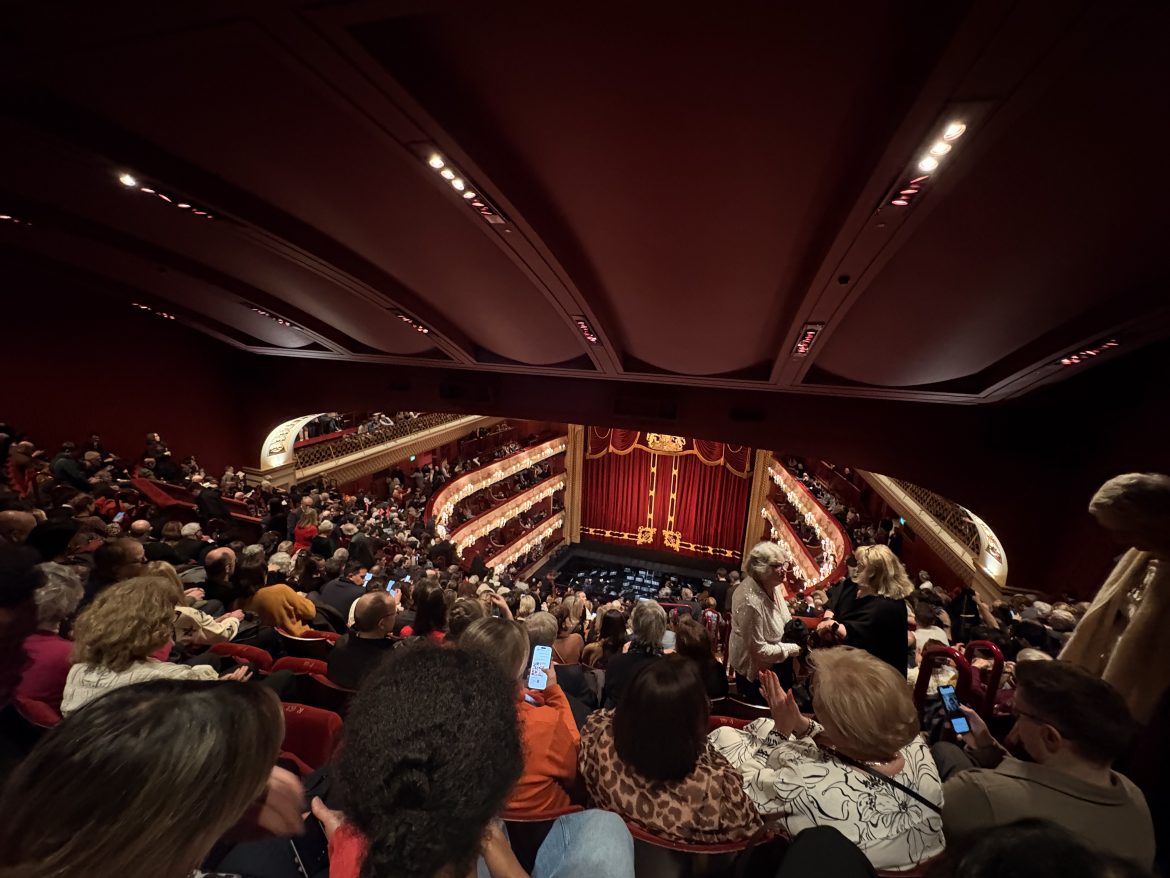
The ROH in Covent Garden is breathtaking. As you step through its doors, it quickly dawns on you that what you are about to experience is unlike anything you have before.
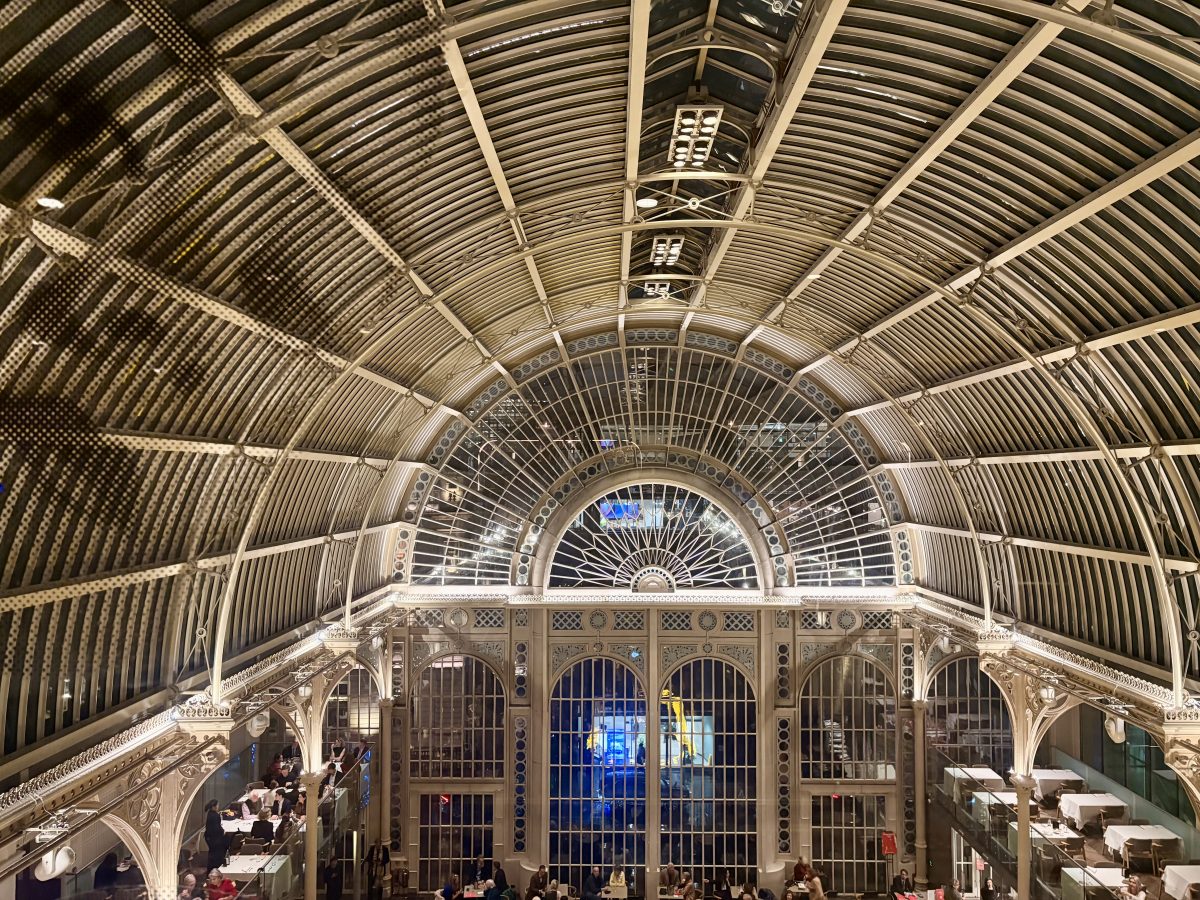
Yet, entwined with that anticipation, for me at least, there was also a certain unease, or rather what ROH’s Associate Director Netia Jones described as “threshold anxiety”: the feeling of apprehension at experiencing something new and challenging.
The anxiety lingered long enough to send me searching for reassurance. On ROH’s website, I read that La Traviata is the “perfect opera to fall in love with for the first time, or over and over again.” It was comforting to know that, if there was ever an opera designed for beginners, this was it. One of the most iconic works in history’s repertoire, the ROH’s current revival of Richard Eyre’s 1994 production offers a particularly inviting entry point.
Part of what makes it so approachable is the clarity of its story. Composed by Giuseppe Verdi in 1853, La Traviata – which translates from Italian as “she who has strayed (from the path)” – tells the tragic love story of Violetta Valéry, a Parisian courtesan with tuberculosis, and Alfredo Germont, a young nobleman. As the plot of this fatal union unfurls, the themes of class, patriarchy, misogyny and societal expectations are also traversed, some of which feel far less historical than one might wish.
In an interview for The Guardian, Director Richard Eyre addressed La Traviata’s richness: “Sex and death. A beautiful woman. A callow man. Romantic love. An interfering father. Moral choices. Sickness. Loneliness. It’s got everything. […] I’ve sent a lot of people who don’t know any opera to La Traviata, and they’ve come away amazed, transformed by the power of the story and music.”
As soon as the lights dimmed and the curtains rose, the threshold anxiety I had disappeared. With set design by seven-time Tony Award winner Bob Crowley, ROH’s main stage was transformed into Paris during la belle époque. Between a masterly union of magnificent visuals and the emotional melodies carried by La Traviata’s cast, we were all swiftly drawn into the world of the opera, leaving little room for confusion or distance.
Throughout the opera’s duration, its passion distracted us from the outside world, from the working day that just passed, and, at times, even from the inevitability of life’s end. Indeed, like Violetta herself as she drew her last breath, we felt invigorated right in the face of our own mortality. Such was the transporting power of the music.
“My pain has stopped,” says Violetta as she dies. “It’s strange – I feel alive! Ah! I shall live – Oh, joy!”
When the curtains closed on the final scene in which Alfredo, played by Tenor Bekhzod Davronov, holds dead Violetta, played by Soprano Pretty Yende, the audience was completely moved by the drama, as could be judged by the gasps and sniffles which rose here and there from the auditorium. When the lights finally came back on, all of us – experienced or not – knew to do one thing: stand and applaud.
La Traviata will be on show at the ROH until Tuesday, 17 February.
For more information visit the ROH’s website.